
Busting the Myths: Detox Teas More Harm than Harmony


A reader recently asked me whether the detox tea her favorite influencer swears by would help her "reset" after the holidays. It's the most common version of a question I get constantly, so let me answer it the way I'd answer her: do detox teas work? No — not the way they're marketed. They don't remove toxins, they don't burn fat, and a 2026 peer-reviewed review found that some have caused serious harm in otherwise-healthy people. Here's the honest breakdown, including what the tea actually does, why the scale drops then bounces back, and what genuinely supports your body instead.
Do detox teas work?
The short answer, from the most current evidence: no. A 2026 mini-review in Frontiers in Nutrition that systematically examined the literature concluded that "diet and detox teas marketed for weight loss offer minimal demonstrated benefit and may pose meaningful health risks." The "detox" premise is the bigger problem. As Brown University Health puts it, these teas claim to flush out toxins "when our bodies perform that function on their own already." You have a liver and two kidneys whose entire job is filtering and eliminating waste. A tea cannot do it better, and a healthy body doesn't have a backlog of "toxins" waiting to be flushed.
What does detox tea actually do to your body?
This is the gap between the label and the mechanism. Most detox teas work through two ordinary effects: a diuretic (you urinate more, often from ingredients like dandelion or green tea) and a stimulant laxative (you have more bowel movements, usually from senna or cascara). That produces a temporary lighter, flatter feeling that gets marketed as "detoxing." Here's the claim-versus-reality, side by side:
| What the label claims | What's actually happening |
|---|---|
| "Flushes out toxins" | Your liver and kidneys already do this; the tea adds nothing |
| "Boosts metabolism / melts fat" | No meaningful metabolic effect; no fat is lost |
| "Cleanses and de-bloats" | A diuretic and laxative move water and waste — temporarily |
| "Natural, so it's safe" | "Natural" is unregulated; some teas hide actual drugs (more below) |
Related Article: Culinary Wellness: Redefining Nutrition with the Culinary Arts
The weight-loss illusion: why the scale drops, then bounces back
If you've ever lost a few pounds in the first week of a detox tea, you weren't imagining it — but you were losing water and stool weight, not fat. That 2–5 pounds typically returns within 24 to 48 hours of rehydrating or stopping the tea, because nothing about your fat stores changed. In the one human trial the 2026 review found that showed any weight effect at all, the result was only about 1.5 to 2 kilograms over two months — modest, and from an uncontrolled study. As Healthline's medically reviewed coverage notes, there's no direct clinical evidence that detox tea is a good tool for weight loss. Sustained fat loss comes from how you eat and move, not from what you steep.
The risks are real — and "natural" hides them
This is where I want to be precise, because the honest story is scarier than "it just doesn't work." The 2026 Frontiers review warns that the "natural' label can mask the pharmaceutical-like toxicity associated with these teas." In documented case reports — these are individual cases, severe but not everyday outcomes — otherwise-healthy people experienced dangerously low sodium (around 111 mmol/L), potassium loss severe enough to trigger an abnormal heart rhythm, acute heart-muscle damage (one case saw the heart's ejection fraction fall from 65% to 25%), and liver injury with liver enzymes above 1,300 U/L. Rare, yes. But not the profile of a harmless cup of tea.
And you often don't know what you're actually drinking. Analyses cited in the review found marketed detox teas adulterated with undeclared drugs — including the withdrawn weight-loss drug sibutramine and the laxative phenolphthalein — and Healthline documents a case of the antidepressant fluoxetine turning up in a "detox" tea. The reason this is possible: detox teas are sold as a "special food," which means they aren't held to the safety and efficacy standards that apply to actual medicines. "FDA hasn't stopped it" is a much lower bar than most people assume.
Related Article: Understanding Nutritional Psychology: Decoding the Relationship Between Food and Mood
Is it safe to drink detox tea every day?
Daily use is the riskiest pattern, specifically for teas with stimulant laxatives like senna. After about two weeks of regular use, the bowel can become dependent on the stimulant to move at all — sometimes called "lazy bowel" — and you're also stacking up the dehydration and electrolyte losses described above. An occasional cup of a gentle herbal tea is one thing; a daily laxative habit marketed as wellness is another.
How your body actually detoxifies
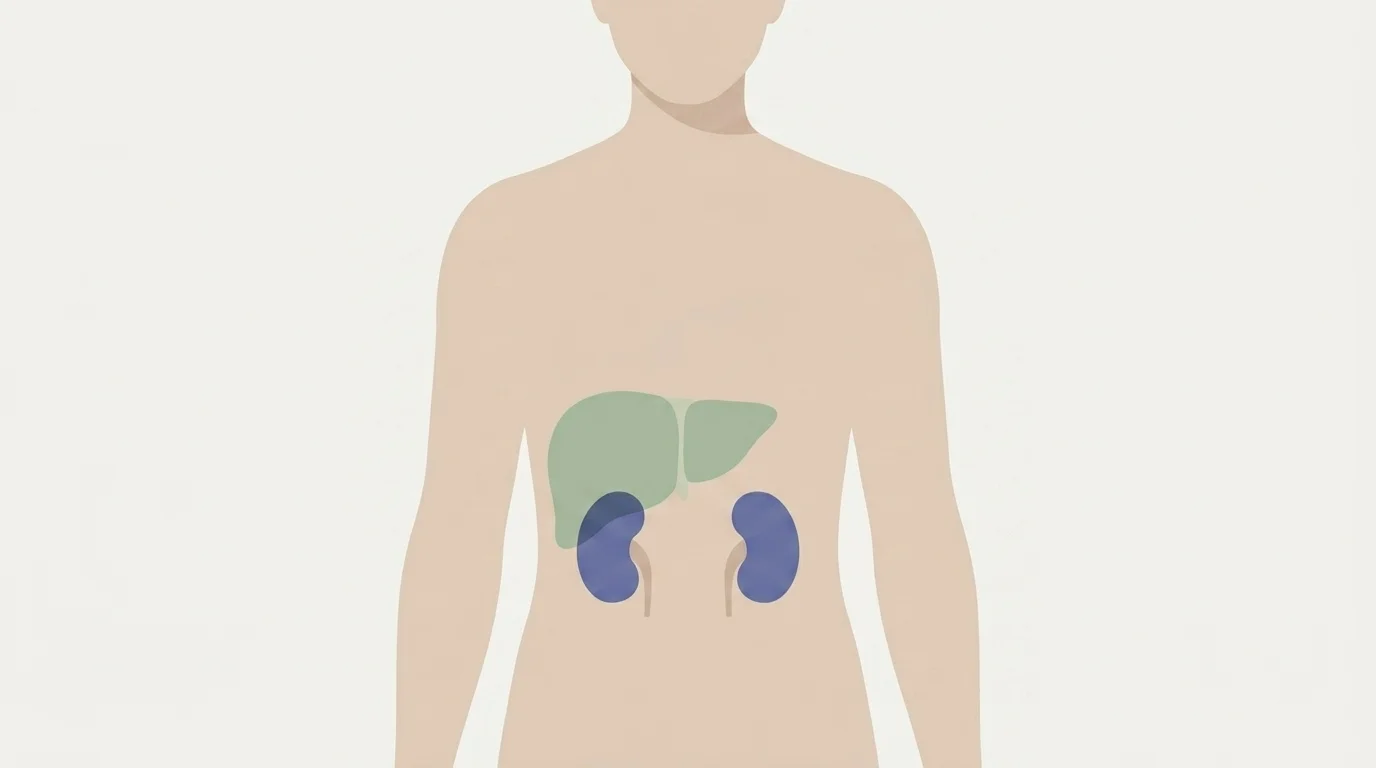
The good news is that the system you already own is excellent. Your liver chemically neutralizes waste and drugs; your kidneys filter your blood and excrete waste in urine; your lungs clear carbon dioxide and other volatiles; your skin and gut play supporting roles. None of this needs a purchased product to function — it needs you to not get in its way and to give it the basics it runs on.
What actually works instead
If your real goal is to feel less sluggish and support that built-in system, here's the genuinely effective, unglamorous playbook:
- Hydrate with plain water. It's what your kidneys use to do their job; it's also most of what detox tea was faking.
- Eat fiber. Vegetables, fruit, legumes, and whole grains keep your bowel moving on its own — no stimulant required.
- Sleep. Your brain has its own overnight clearance process; under-sleeping undercuts it.
- Move regularly. Activity supports circulation and healthy digestion.
- Go easy on alcohol and ultra-processed food — reducing the load matters more than any "cleanse."
That's not as exciting as a 14-day teatox, and it's the only version that works.
The bottom line
Do detox teas work? No — they create a temporary, water-weight illusion, they don't remove toxins your body isn't storing anyway, and in documented cases the "natural" ones have caused real harm. Skip them, support your liver and kidneys with the basics, and put your money toward food you'll actually eat. One caution worth taking seriously: if you've been using a stimulant-laxative tea regularly and you're having palpitations, severe cramping, dizziness, or trouble going without it, stop and see a doctor — and check with your clinician or pharmacist before any "detox" product, especially if you take medication or have a heart, kidney, or liver condition. Your body already has a detox system. It just doesn't come in a sachet.
Frequently Asked Questions
Stimulant-laxative ingredients like senna can cause dehydration, electrolyte imbalance, and digestive problems. In documented case reports, otherwise-healthy people have experienced dangerously low sodium and potassium, heart-rhythm disturbances, and liver injury — and some marketed teas have contained undeclared drugs.
Your liver chemically neutralizes waste and drugs, your kidneys filter blood and excrete waste in urine, and your lungs, skin, and gut play supporting roles. A healthy body has no backlog of 'toxins' waiting to be flushed by a tea.
No. Any quick loss is water and waste, not fat, and it typically returns within 24–48 hours of rehydrating or stopping. The one human trial showing any effect found only about 1.5–2 kg over two months, from an uncontrolled study.
Daily use of teas with stimulant laxatives like senna isn't recommended. After about two weeks the bowel can become dependent on the laxative to move at all, and repeated use compounds dehydration and electrolyte loss.
No. They're sold as a 'special food' and aren't held to the safety and efficacy standards that apply to medicines. Analyses have found undeclared drugs — including sibutramine and phenolphthalein — in marketed detox teas.
Most act as a diuretic and a stimulant laxative, so you urinate and have bowel movements more often. That creates a temporary lighter, flatter feeling — but it doesn't remove toxins or burn fat.
Support your body's own detox system with the basics: drink plain water, eat plenty of fiber, sleep enough, move regularly, and ease up on alcohol and ultra-processed foods. These actually help, where a 'teatox' only looks like it does.