
Tackling Dietary Supplements Regulation: Impact on Wellness Industry Innovation


Here is the bargain at the center of dietary supplement regulations, and it is not the one most people think they're getting. Under U.S. law, the FDA cannot require a supplement to prove it is safe or effective before it reaches the shelf. That is not an opinion; it is the Dietary Supplement Health and Education Act of 1994 — DSHEA — which classified supplements as food rather than drugs and put the burden on the agency to prove, after the fact, that a product is harmful. That single law is why U.S. supplement sales grew from roughly $4 billion in 1994 to more than $50 billion today, with over 75% of American adults now taking something (NatLawReview). And in 2026, for the first time in three decades, Congress and the FDA are both seriously moving to change the terms. Here's how the system actually works — and what's about to shift.
Who regulates dietary supplements in the United States?
Two agencies, with a division of labor most consumers never learn. The FDA governs the product — safety, manufacturing, and what the label may say — but, thanks to DSHEA, only after it's on the market. The FTC governs the advertising, and holds claims to a notably higher evidence bar.
| Agency | What it covers | The bar |
|---|---|---|
| FDA | Labels, safety, manufacturing (cGMP, 21 CFR Part 111), structure/function claims | Post-market — can act once a product is already for sale |
| FTC | Advertising and marketing claims, including influencer/social posts | "Competent and reliable scientific evidence" — effectively RCTs for health claims |
That FTC standard matters more than the marketing implies. To substantiate a health claim, the FTC's guidance calls for competent and reliable scientific evidence — in practice, randomized controlled human trials (MoFo). So when a brand says a supplement "supports immunity," that's a permitted structure/function claim under FDA rules; if it said the product "prevents the flu," it would be making a drug claim it cannot back. The gap between those two sentences is the entire regulatory game.
What is a new dietary ingredient (NDI)?
A new dietary ingredient is any dietary ingredient that was not marketed in the United States before October 15, 1994 — the date DSHEA was enacted. If a manufacturer wants to use one, it must notify the FDA at least 75 days before bringing it to market, submitting the evidence that the ingredient is reasonably expected to be safe (FDA).
This unglamorous "75-day rule" is suddenly the most innovation-relevant corner of the whole framework, because it's where a 1994 law collides with 2026 technology. A new generation of ingredients is being produced through synthesis, cell culture, and precision fermentation — methods that didn't exist when the rules were written. On March 27, 2026, the FDA held a public meeting explicitly questioning whether substances "not historically part of the human diet," including these lab-produced inputs, even qualify as dietary ingredients at all (SupplySide SJ). How the agency answers will decide whether the next wave of wellness ingredients enters as supplements, as food additives, or as something requiring a far harder regulatory path.

How are supplements manufactured and labeled?
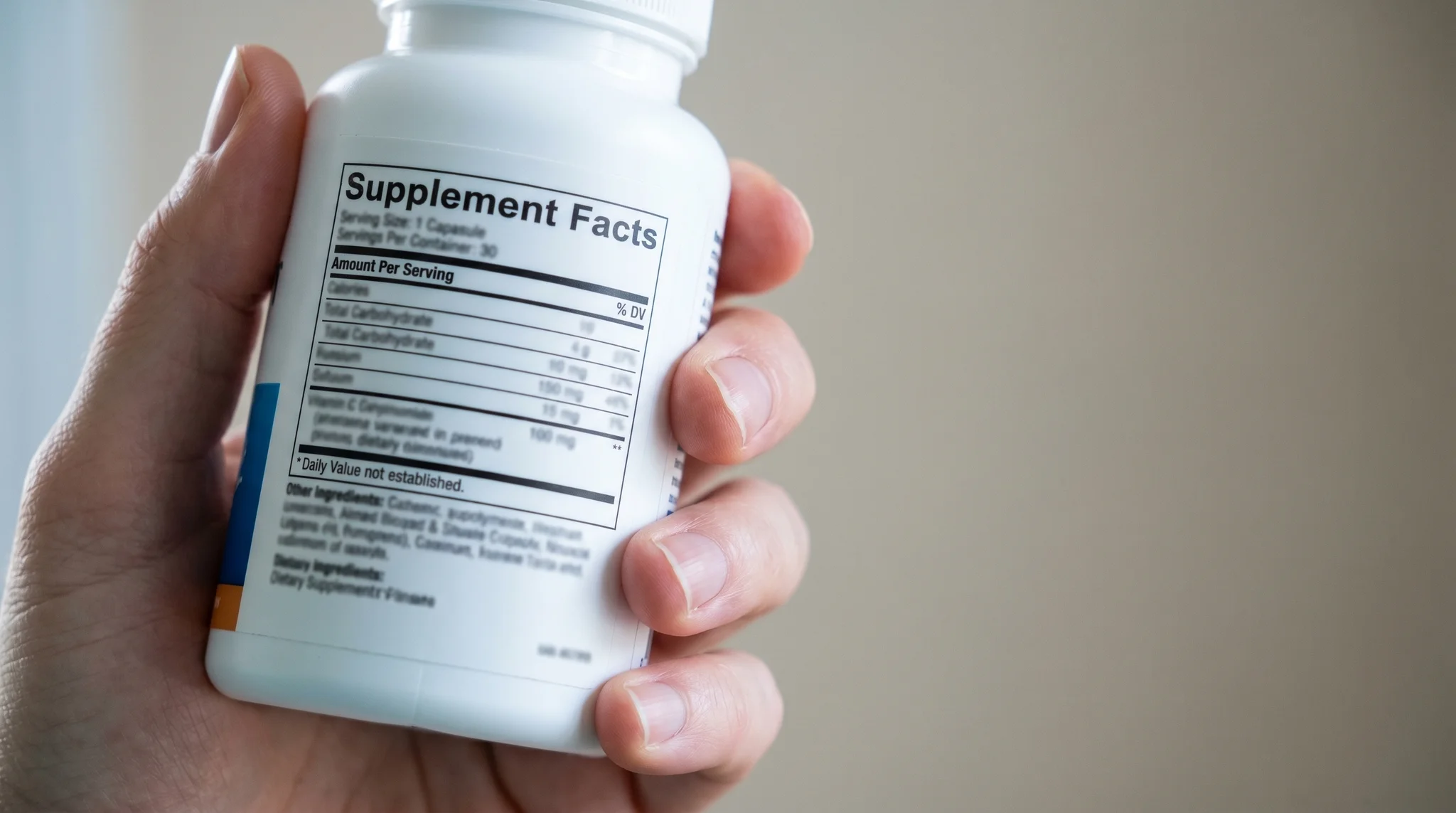
Between the law and the bottle sits the cGMP rule — Current Good Manufacturing Practices, codified at 21 CFR Part 111. It requires manufacturers to verify ingredient identity, control quality, keep batch records, and ensure a product actually contains what the label claims at the stated dose. It's the closest thing the category has to a quality floor, and it's also where a lot of the real problems live: cGMP governs how a product is made, not whether the ingredient works. A supplement can be flawlessly manufactured under 21 CFR Part 111 and still do nothing. "GMP-certified" on a label tells you the factory follows the rules; it tells you nothing about efficacy.
The 2026 reform wave
For thirty years, the DSHEA framework sat essentially frozen. 2026 is the year that changed, and three moving pieces are worth tracking.
The biggest is mandatory product listing. Twin bills — the Dietary Supplement Listing Act of 2026, introduced as S.3677 by Senator Dick Durbin in January and as H.R. 8370 in the House in April — would, for the first time, require manufacturers to register every supplement product with the FDA in a public database, listing ingredients, directions, and label copy (Epstein Becker Green). The argument for it is a striking safety gap: the FDA received over 2,000 supplement adverse-event reports in 2023 but estimates the real annual figure exceeds 50,000 (NatLawReview). As Durbin put it, "FDA — and consumers — should know what dietary supplements are on the market and what ingredients are included in them."
Tellingly, the industry is split, not united against it. The Council for Responsible Nutrition backs the listing bill; the Natural Products Association opposes it, arguing the FDA needs to enforce the rules it already has against bad actors rather than build a registry of the compliant majority. That disagreement is the real story — it's a fight over which kind of regulation actually protects consumers versus which simply raises the cost of doing business.
The second piece is the FDA's March 2026 reexamination of what counts as a dietary ingredient (above). The third is a competing federal-preemption bill aimed at stopping a patchwork of differing state supplement laws — a quieter fight over whether one national rulebook or fifty governs the shelf.
What it means for the industry
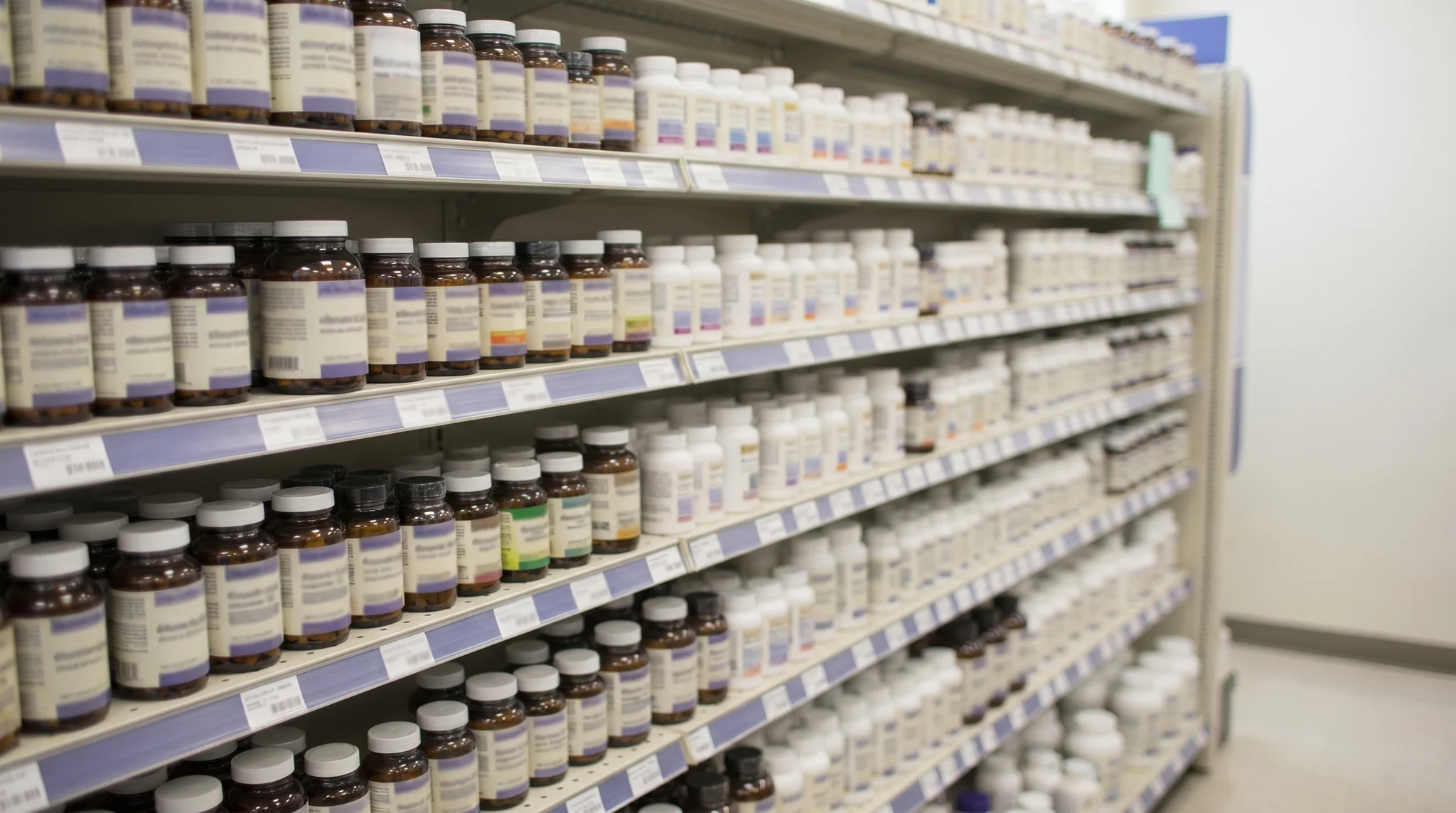
Follow the money, because regulation always reshapes the market. The global dietary-supplements market ran about $209.5 billion in 2025 and is projected near $228.2 billion in 2026, growing at roughly 9.5% a year (Grand View Research). A mandatory-listing regime lands very differently across that market: for a large, well-capitalized brand, listing is a manageable compliance line item and even a marketing asset ("FDA-listed"). For a small innovator, it's a new fixed cost and barrier to entry. The predictable result of tighter rules is consolidation — the same dynamic that plays out in every regulated category. Stricter oversight tends to build consumer trust and squeeze out the smallest players at the same time, and both of those things are happening on purpose.
What to actually watch
If you take supplements, the practical literacy is short. Know that "FDA-compliant" means the FDA hasn't told the company to stop — not that anyone proved the product works. Read structure/function claims ("supports," "helps maintain") as the carefully-lawyered language they are. And watch whether the Listing Act passes, because a public FDA database would, for the first time, let you check whether the thing in your cabinet was ever registered at all. The supplement aisle has run on a 1994 bargain for three decades. 2026 is the year to read both the label and the bill.
Frequently Asked Questions
The FDA oversees safety, manufacturing (cGMP, 21 CFR Part 111), and labeling — but only post-market, under DSHEA. The FTC separately polices advertising claims, requiring competent and reliable scientific evidence, effectively randomized trials.
An NDI is any dietary ingredient not marketed in the U.S. before October 15, 1994. A manufacturer must notify the FDA at least 75 days before marketing it, with evidence it is reasonably expected to be safe.
Twin federal bills (S.3677 and H.R. 8370) that would, for the first time, require manufacturers to list every supplement product with the FDA in a public database — ingredients, directions, and label copy.
In March 2026 the FDA began reconsidering whether its framework covers novel ingredients made via synthesis, cell culture, or precision fermentation — a key question for the next wave of wellness innovation.
DSHEA (1994) classifies supplements as food, not drugs, so the FDA cannot require proof of safety or efficacy before sale — it can only act after the fact. That single law shaped the entire modern supplement industry.
No. cGMP (21 CFR Part 111) governs how a product is manufactured — identity, quality, and that it contains what the label says — not whether the ingredient is effective. A supplement can be made perfectly and still do nothing.