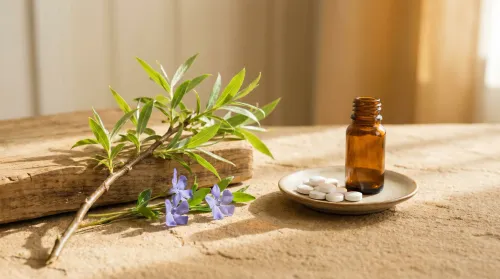
Healing Herbs from Around the Globe: Traditional Medicine's Modern Allies


In a Kyoto pharmacy, Kampo — the Japanese formalization of classical Chinese herbal medicine — is dispensed by a licensed pharmacist, dosed in grams of standardized extract, and prescribed for a specific constellation of symptoms after a diagnostic process that can take forty minutes. Cross the Pacific and the same herb becomes a capsule on a wellness shelf, marketed as "adaptogenic support," its dose uncertain and its diagnostic context gone entirely. That gap is the real subject of any honest guide to healing herbs: these plants carry genuine value, both cultural and sometimes biomedical, but the version that reaches the global market tends to keep the romance and lose two things that matter — the context that made the herb work, and the cautions that made it safe.
So this guide does something the travel-brochure versions don't. It keeps the herbs' origins, because where a tradition comes from is not decoration — it's half the meaning. But it groups them by what they actually do, names the active compounds and the Latin binomials, tells you the forms they come in, and is honest about both what the research shows and where these plants can hurt you. A traditional remedy is not automatically safer than a pharmaceutical. Sometimes it's the same molecule with less quality control.
Healing herbs at a glance
| Herb | Origin | Botanical name | Evidence-based use | Common form | Key caution |
|---|---|---|---|---|---|
| Turmeric | India | Curcuma longa | Anti-inflammatory | Capsule, food | Supplement liver-injury signal |
| Ginger | South/East Asia | Zingiber officinale | Nausea, inflammation | Tea, food, capsule | May add to blood thinners |
| Ginseng | China/Korea | Panax ginseng | Energy, adaptogen | Capsule, tea | Interacts with warfarin |
| Yerba mate | South America | Ilex paraguariensis | Stimulant, antioxidant | Brewed tea | High caffeine |
| Moringa | West Africa/South Asia | Moringa oleifera | Cholesterol, nutrition | Powder, capsule | Amplifies BP/sugar drugs |
| Echinacea | North America/Europe | Echinacea purpurea | Cold support (weak) | Tincture, tea | Weak evidence |
| Kava | Pacific Islands | Piper methysticum | Anxiety (restricted) | Brewed drink | FDA-advised-against; liver risk |
| Tea tree | Australia | Melaleuca alternifolia | Topical antiseptic | Diluted oil | Topical only — never ingest |
Herbs for inflammation: turmeric and ginger
Turmeric (Curcuma longa)
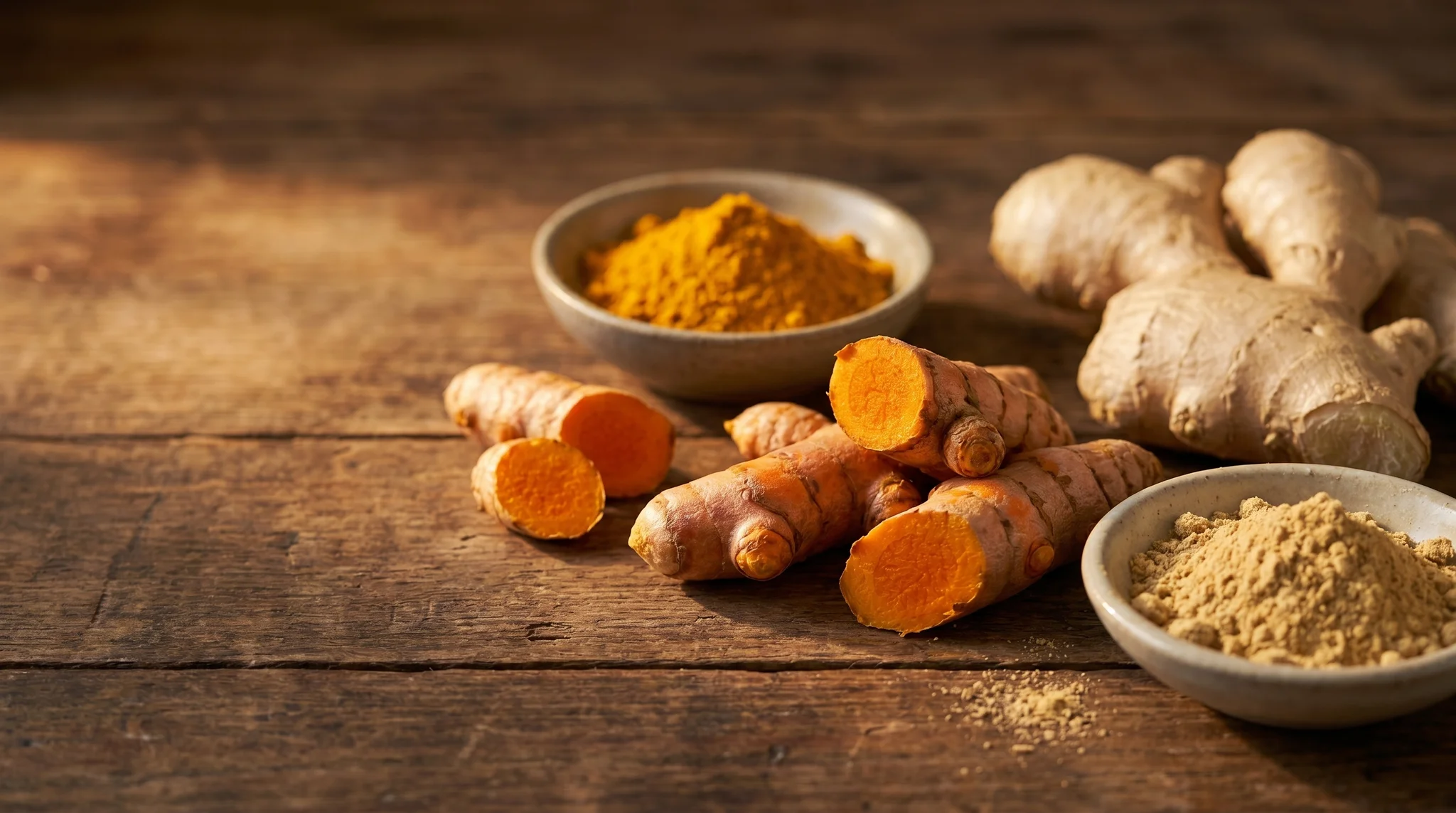
Turmeric is the golden rhizome at the heart of Indian cooking and Ayurvedic medicine, and its active compound, curcumin, has real anti-inflammatory and antioxidant activity that drives the bulk of the 135,000 monthly searches for turmeric benefits. As a spice in food, it is about as safe as a plant gets.
There is one thing the "golden spice" framing leaves out, and it concerns your liver. On December 15, 2025, Health Canada formally called for hepatotoxicity warning labels on turmeric and curcumin supplements, advising consumers to watch for yellowing eyes or skin, dark urine, nausea, and stomach pain, and to "consult a healthcare professional before use" with a liver condition (NutraIngredients). A 2025 JAMA Network Open analysis estimated that roughly 11.4 million U.S. adults take turmeric supplements — making it the most-consumed of six botanicals tied to drug-induced liver injury (JAMA Network Open). The amplifier in most injury cases is piperine, a black-pepper extract added to boost curcumin absorption by up to 20-fold (PolitiFact). The reassuring half: curcumin is generally safe up to about 8 grams a day, the injury is idiosyncratic and rare, and in nearly all documented cases the liver recovers within one to three months of stopping (Northwestern Medicine). Cook with it freely; treat the concentrated capsules as a drug, not a seasoning.
Ginger (Zingiber officinale)
Ginger is turmeric's culinary and botanical cousin, used across South and East Asia as both food and medicine for millennia. Its most familiar use is for settling nausea — motion sickness, morning queasiness, an unsettled stomach — and it shares turmeric's mild anti-inflammatory reputation. It's gentle, accessible as a fresh root or tea, and a far lower-stakes inflammation herb than a concentrated curcumin capsule. The one caution worth naming: in large supplemental doses it can add to the effect of blood thinners.
Herbs for energy and vitality: ginseng and mate
Ginseng (Panax ginseng)
Ginseng has been prized in Chinese and Korean medicine for centuries as a tonic for energy and resilience, and it anchors the modern "adaptogen" category that fuels its 22,200 monthly benefit searches. The honest read is that the evidence for fatigue and cognitive performance is suggestive rather than conclusive — a real tradition with a partial biomedical case. The caution that matters: Panax ginseng is a documented moderate-risk interactant with warfarin and other medications, which is why it belongs in a conversation with your doctor if you take prescriptions.
Yerba mate (Ilex paraguariensis)
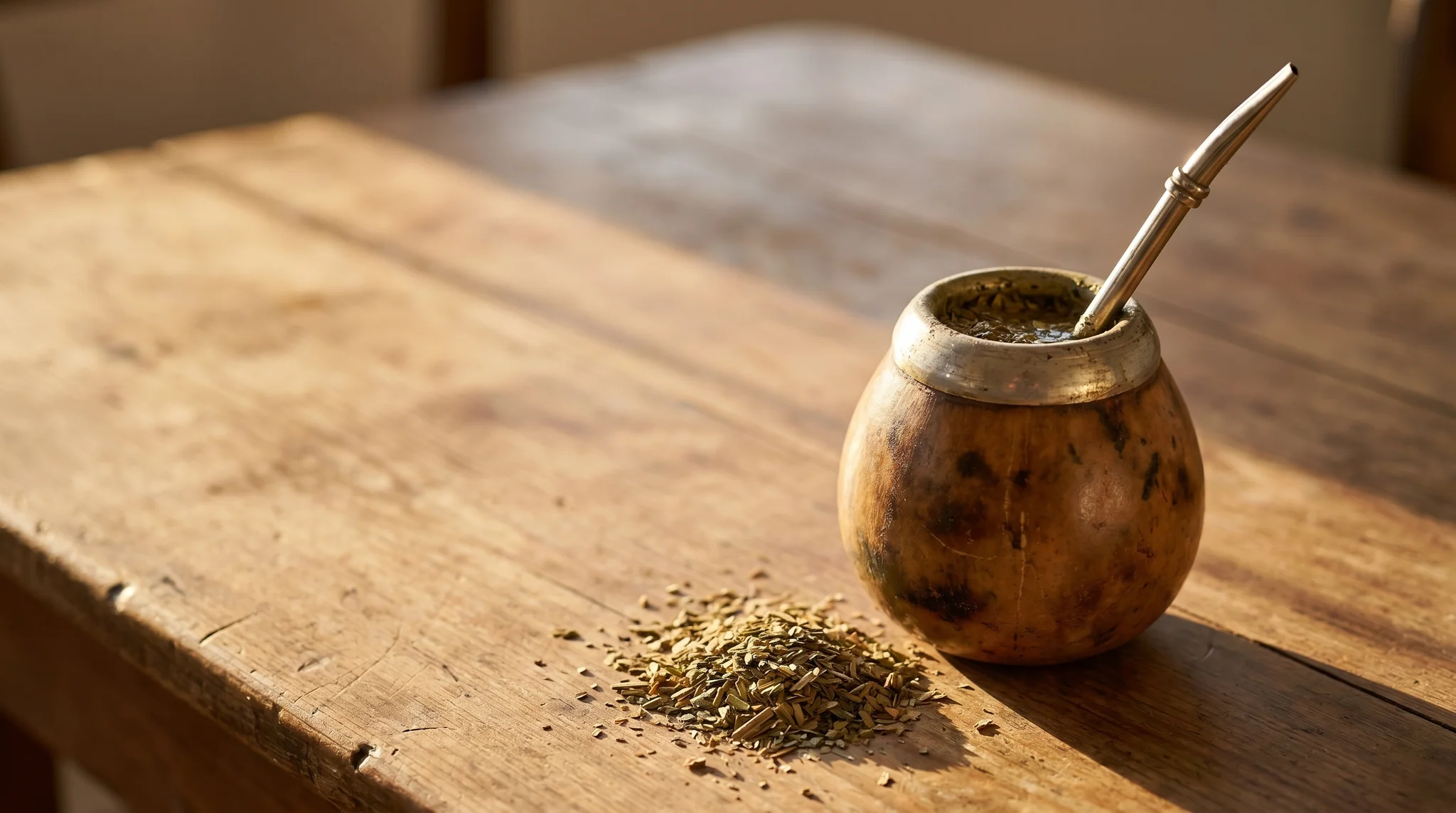
In the Southern Cone of South America, mate is less a supplement than a social institution — a shared gourd passed in a circle, central to daily life in Argentina, Paraguay, Uruguay, and southern Brazil. Biomedically, it is a caffeine-bearing stimulant rich in antioxidants; its lift is real and its antioxidant content genuine. Treat it as you would any caffeinated drink: useful, pleasant, and easy to overdo.
Herbs for immunity: echinacea and moringa
Echinacea (Echinacea purpurea)
Echinacea, native to North America and long used by Plains Indigenous peoples before its adoption into European herbal medicine, is the classic cold remedy — and a good test of whether a guide is being honest. It is not the immune shield the marketing suggests. The U.S. National Center for Complementary and Integrative Health puts it plainly: taking echinacea "may slightly reduce your chances of catching a cold," but it is not a proven treatment (NCCIH). That's a modest, real, narrow benefit — worth knowing, not worth overselling.
Moringa (Moringa oleifera)
Moringa, the "miracle tree" of West Africa and South Asia, has actually earned some of its reputation in recent research. In people with elevated cholesterol, moringa leaf has been associated with roughly an 11% drop in LDL and a 9% drop in total cholesterol over eight weeks, and a 2024 umbrella review linked the leaf extract to reduced CRP, an inflammation marker (Delve research summary). Two cautions keep it honest: it can amplify blood-sugar and blood-pressure medications, and some commercial powders have tested above WHO heavy-metal thresholds, so provenance matters.
Herbs for stress and sleep: kava, with the caveat that matters
Kava (Piper methysticum) is the ceremonial drink of much of the Pacific, prepared and shared communally, and prized for a calm that doesn't cloud the mind. The cultural practice is real and old. The wellness-aisle version is where the trouble starts. The U.S. Food and Drug Administration recommends against using kava for anxiety or relaxation because of the risk of severe liver injury, and Germany, Switzerland, France, Canada, and the United Kingdom have all restricted or banned it (Merck Manual). The evidence is genuinely mixed: a 2023 neuroimaging trial found kava altered GABA activity in a brain region tied to anxiety, while a 16-week 2020 randomized trial found no benefit over placebo. This is exactly the kind of herb the global market flattens — it strips away the ceremonial preparation and the communal context and sells the part that carries a liver-toxicity signal.
Herbs for skin and wounds: tea tree
Tea tree oil (Melaleuca alternifolia), drawn from a plant Aboriginal Australians have used topically for generations, is a well-regarded natural antiseptic and the most useful entry point for the "herbs for wounds" question. Diluted, it's a common ingredient in skincare for blemishes and minor skin irritation. One firm rule: tea tree oil is for topical use only and must be diluted — it is toxic if swallowed, and should be kept away from children and pets.
How to use healing herbs
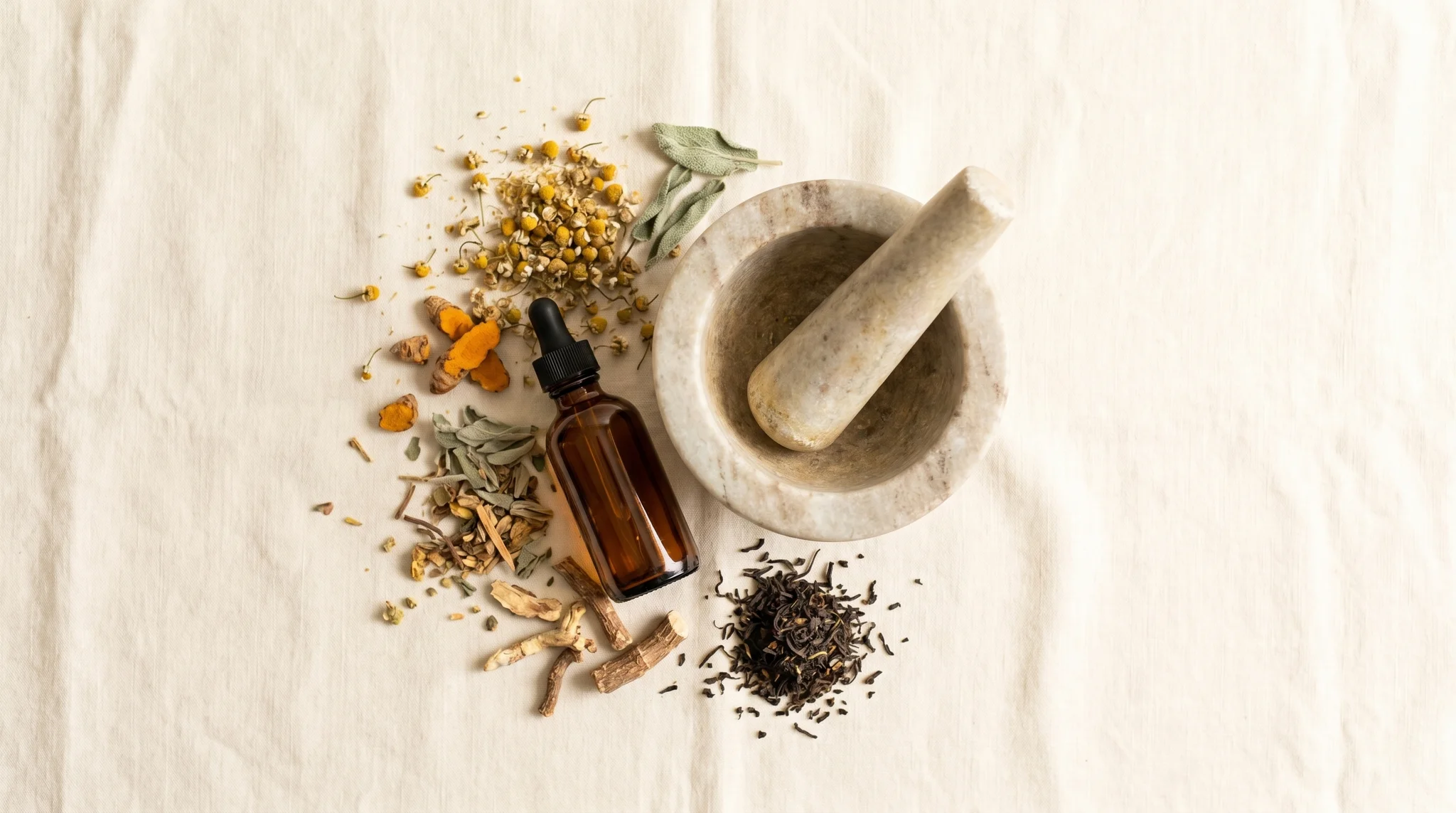
Most healing herbs reach you in one of four forms, and the right one depends on the herb and the goal. Teas and infusions suit gentle, water-soluble herbs you want in mild doses (ginger, echinacea, mate). Tinctures — alcohol or glycerin extracts — are concentrated and fast-absorbing, useful when you want a stronger, measurable dose. Capsules and standardized extracts deliver the most concentrated doses (turmeric, moringa, ginseng) and are also where the safety stakes are highest, because concentration is exactly what turns a food into something closer to a drug. Topicals — oils, salves, creams — are for the skin (tea tree). The general rule across all four: start low, follow the label's dosing, and remember that "natural" says nothing about potency or safety.
Healing herbs and drug interactions: what to tell your doctor
This is the section the brochures skip, and it's the one that keeps you safe. In the United States, herbal supplements are not reviewed by the FDA for safety and effectiveness the way prescription drugs are — what's on the label is not guaranteed to be what's in the bottle, or at the dose it claims. That alone is reason to treat them with the same seriousness as medication.
The interactions that matter most cluster around a few drugs. Blood thinners like warfarin have a narrow margin for error, and several herbs — ginkgo, Panax ginseng, ginger in large doses, and feverfew, which "should not be used with warfarin or other medicines that thin the blood" (University of Rochester Medical Center) — can push it the wrong way. St. John's wort is a notorious severe interactant that can weaken everything from antidepressants to birth control. A 2025 review in Frontiers in Medicine ranks grapefruit, St. John's wort, and valerian as severe-risk and ginkgo, Panax ginseng, kava, saw palmetto, and green tea as moderate-risk interactants (Frontiers in Medicine).
The practical instruction is simple: tell your doctor or pharmacist about every herb and supplement you take, especially if you're on prescription medication, pregnant, breastfeeding, managing a chronic condition, or scheduled for surgery. None of this means herbs don't work. It means they work — which is precisely why they deserve the same caution you'd give anything else that changes your body's chemistry.
A closing question
The herbs in this guide have carried real meaning and, in several cases, real medicine across centuries and oceans. What the global wellness market does well is make them available; what it does poorly is preserve the context and the cautions that came with them. So the question I'd leave you with isn't whether these plants "work" — many do, in specific and limited ways. It's whether we can take them seriously enough to honor both halves of the inheritance: the tradition that gave them meaning, and the pharmacology that tells us how to use them without getting hurt. Respect, here, looks a lot like asking your doctor.
Frequently Asked Questions
Culinary turmeric is safe. Concentrated supplements — especially those with piperine — have been linked to rare idiosyncratic liver injury, and Health Canada called for warning labels in December 2025. Injury usually resolves within 1–3 months of stopping. Consult a provider before use if you have a liver condition.
Turmeric's active compound, curcumin, has anti-inflammatory and antioxidant activity, and is widely used for joint and inflammatory complaints. As a culinary spice it is very safe; concentrated supplements carry a small but real liver-injury risk and should be treated more like a drug than a seasoning.
Most are taken as teas, tinctures, capsules, or topical salves; the right form depends on the herb and the goal. Start low, follow label dosing, and check for drug interactions first — "natural" says nothing about potency or safety.
Many do. St. John's wort, ginkgo, ginseng, kava, and green tea can affect how drugs are metabolized, and several interact dangerously with blood thinners like warfarin. Tell your doctor about every herb you take, especially if you're on prescriptions, pregnant, or facing surgery.
The evidence is weak. The NCCIH says echinacea "may slightly reduce your chances of catching a cold," but it is not a proven treatment or cure.
Ginseng is a traditional adaptogen used in Chinese and Korean medicine for energy and resilience. Modern evidence for fatigue and cognitive performance is suggestive rather than conclusive, and Panax ginseng can interact with warfarin and other medications — worth raising with your doctor before use.