
The Birth of Nutrition Science: From Superstition to Evidence-Based Diets


Here's something that surprises most people about the history of nutrition: as a science, it's startlingly young. As the NIH's own historical review puts it, "modern nutrition science is surprisingly young" — in 1900, scientists knew of only four nutrients (carbohydrate, protein, fat, and minerals), and the first vitamin wasn't isolated until 1926 (NIH; LibreTexts). Everything we now take as obvious about eating — vitamins, calories, dietary guidelines — was worked out within roughly the last century. This is the story of how food went from superstition to measurable science, told with the dates that the usual breezy version leaves out, and where it's heading next.
When did nutrition become a science?
The leap from belief to measurement is younger than most realize. For most of human history, food and health were governed by intuition and doctrine — the Greek and Roman idea of balancing four bodily "humors" through diet, the mystical food properties attributed in ancient Egypt and China. Hippocrates' famous instinct that food was a kind of medicine was right in spirit but unprovable in practice.
The turning point was the chemist Antoine Lavoisier (1743–1794), often called the "father of nutrition," who used a calorimeter to measure how the body burns food for energy — turning eating into something you could quantify. But progress was slow: as late as 1900, the entire known list of nutrients was four items long. The realization that something else in food was essential came from a strange observation — purified, recombined milk couldn't keep lab animals alive. Something vital was missing. That something turned out to be vitamins.
Who discovered vitamins?
Several people, and the popular version usually gets the credit wrong — so let me set the record straight. The trail began with Christiaan Eijkman, who noticed that chickens fed polished white rice developed a beriberi-like illness, and with Frederick Hopkins, who proposed in 1906 that food contained "accessory food factors" beyond protein, fat, and carbohydrate. In 1911, the Polish biochemist Casimir Funk coined the catchy name — "vitamine," because he believed the substance was a vital amine (the "e" was later dropped when it turned out not all are amines).
Here's the correction worth making: Funk gave us the word, but the 1929 Nobel Prize for the discovery of vitamins went to Hopkins and Eijkman, not to Funk (NobelPrize.org). It's a small thing, but it's the kind of detail that separates a real history from a confident summary. From there the discoveries came fast: the first vitamin was isolated in 1926, vitamin C in 1932, and thiamine (B1) was synthesized in 1936 (NIH). Within a few decades, deficiency diseases that had killed and crippled for centuries — scurvy, beriberi, pellagra, rickets — became preventable with a known nutrient.

A timeline of nutrition science
| Year | Milestone | Who |
|---|---|---|
| ~400 BCE | "Let food be thy medicine" — diet as medicine | Hippocrates |
| 1743–1794 | Calorimetry; food measured as energy | Antoine Lavoisier |
| 1900 | Only four nutrients known | — |
| 1906 | "Accessory food factors" proposed | Frederick Hopkins |
| 1911 | The word "vitamine" coined | Casimir Funk |
| 1926 | First vitamin isolated | — |
| 1929 | Nobel Prize for the discovery of vitamins | Hopkins & Eijkman |
| 1932 | Vitamin C isolated | — |
| 1941 | First US Recommended Dietary Allowances (RDAs) | National Nutrition Conference |
| 1977–1980 | Dietary Goals (1977) → first Dietary Guidelines (1980) | US government |
| 2025–2026 | Multi-omics precision nutrition | The field today |
From food groups to dietary guidelines
Once individual nutrients were understood, the question became how to translate them into advice people could follow. Wilbur Atwater pioneered the study of food composition and calories in the late 1800s, building the foundation for structured dietary guidance. The U.S. issued its first Recommended Dietary Allowances in 1941, driven partly by wartime concerns about a well-nourished population. The bigger cultural shift came later: the Senate's Dietary Goals for the United States in 1977 — the document that kicked off the low-fat era — and the first Dietary Guidelines for Americans in 1980 (NIH). Those guidelines have been revised every five years since, and watching them change is itself a lesson in how nutrition science self-corrects.
Related Article: The Alchemy of Essential Oils: Unveiling the Science Behind Aromatherapy’s Therapeutic Effects
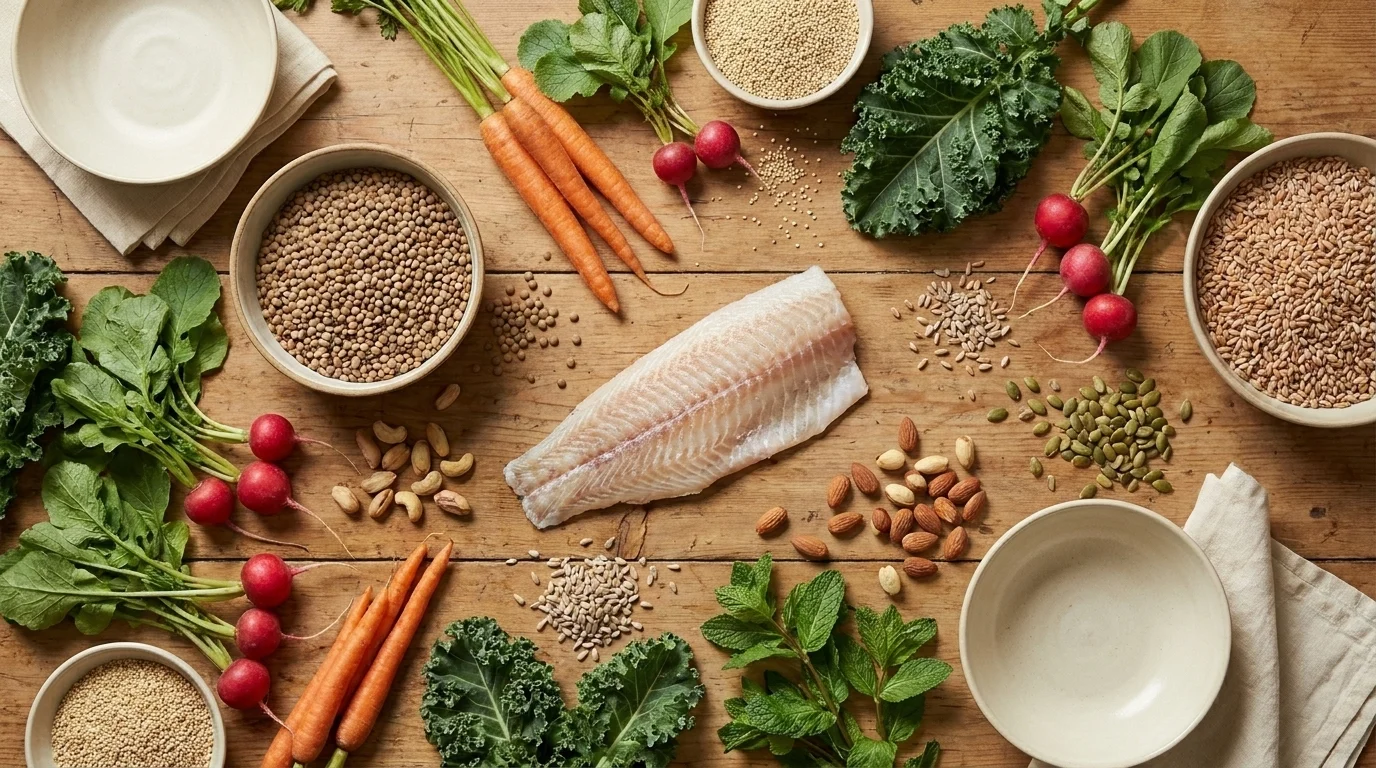
The paradigm shift: from single nutrients to whole foods
This is the part of the history I find most useful as a dietitian, because it explains why so much old advice now sounds wrong. The 20th century was the era of single-nutrient thinking — find the vitamin, isolate it, fix the deficiency. It was spectacularly successful against deficiency diseases. But it bred a habit of reducing food to its parts ("eat more antioxidants," "avoid all fat") that turned out to be a poor guide to chronic disease. As the NIH review puts it bluntly, "single nutrient theories were inadequate to explain many effects of diet on non-communicable diseases."
So the field shifted — and is still shifting — toward thinking in whole foods and dietary patterns rather than isolated nutrients. This is exactly why modern research, including the wave of work on ultra-processed foods, keeps finding that how a food is built matters as much as which nutrients it contains. The history's quiet lesson is humility: the confident single-nutrient claims of one era are routinely revised by the next.
From nutrigenomics to precision nutrition
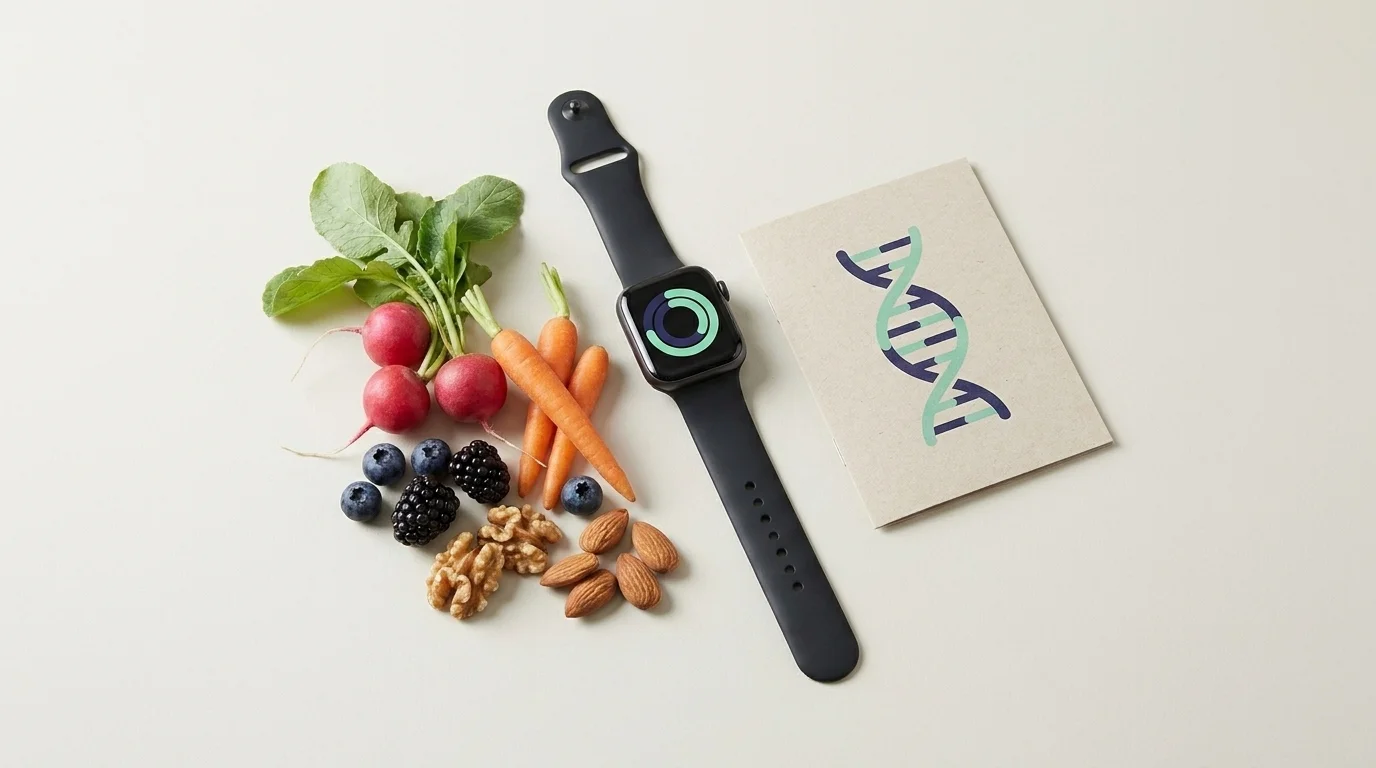
The newest chapter takes the story full circle: after a century of one-size-fits-all advice, the frontier is personalization. Nutrigenomics — the study of how your individual genetic variations change the way you respond to nutrients — has expanded over the last two years into "multi-omics," which combines genetic, metabolic, and gut-microbiome data at once. A 2025 review in Genes & Nutrition (titled, fittingly, "Nutrigenomics meets multi-omics") reports that integrating these data streams can produce genuinely personalized plans (Springer).
Layer AI and wearables on top, and you get what's now called precision nutrition — and the money is following the science. The market for AI in personalized nutrition is projected to grow from about USD 1.59 billion in 2025 to USD 17.72 billion by 2035, a roughly 27% annual clip (InsightAce Analytic). The dietitian's caveat, because I can't help myself: this field is real and promising, but it's also young and heavily commercialized, and a consumer DNA-diet test still can't tell you much that "eat mostly whole foods and vegetables" doesn't already cover. The science is advancing faster than the marketing's honesty.
One older thread worth noting in passing: plant-based eating isn't a modern invention. Vegetarianism runs from Pythagoras and ancient India through the founding of the Vegetarian Society in 1847 to today's environmental and ethical movements — a reminder that some "new" dietary ideas are among the oldest we have.
The takeaway
The history of nutrition is, more than anything, a story of repeated humility — a science that went from four known nutrients in 1900 to deciphering your individual genome in 2026, correcting itself loudly at every step. That arc is worth remembering the next time a headline announces the one nutrient that explains everything. Nutrition science has made that promise before, many times, and the honest version has always turned out to be quieter: eat real food, mostly plants, and hold any single dramatic claim — old or new — a little loosely. The evidence has earned that skepticism.
Frequently Asked Questions
Casimir Funk coined the word "vitamine" in 1911, but the 1929 Nobel Prize for the discovery of vitamins went to Frederick Hopkins (who described "accessory food factors" in 1906) and Christiaan Eijkman — not to Funk.
Modern nutrition science is surprisingly young — in 1900 only four nutrients were known, and the first vitamin wasn't isolated until 1926. Antoine Lavoisier (1743–1794) is often called the "father of nutrition" for measuring food as energy.
Precision nutrition uses genetics, gut-microbiome data, biomarkers, and wearables to tailor diet to the individual — the modern frontier evolving from nutrigenomics. The AI segment is projected to grow from about $1.59 billion (2025) to $17.72 billion by 2035.
Nutrigenomics is the study of how an individual's genetic variations affect their response to nutrients. Recent research has expanded it into "multi-omics," combining genetic, metabolic, and microbiome data to personalize diet.
Before nutrition was a science, dietary beliefs were rooted in culture, religion, and medicine — like the Greek and Roman idea of balancing four bodily "humors" through food, or the mystical food properties attributed in ancient Egypt and China.
It transformed public health: once nutrients could be identified and isolated, deficiency diseases like scurvy, beriberi, pellagra, and rickets became preventable with targeted nutrients, shifting diet from superstition to evidence-based medicine.
Check Out These Related Articles

The Gut-Brain Connection: Unveiling the Impact of Gut Microbiota on Mental Health

Microbiome Insights: Revolutionary Findings on Gut Health and Its Impact on Mental Well-Being

Redefining Nutritional Science: The Role of Epigenetics in Personalized Dietary Recommendations