Understanding Nutritional Psychology: Decoding the Relationship Between Food and Mood


"You are what you eat" is the kind of phrase I usually distrust, because it's vague enough to sell anything. But the link between food and mood is one of the rare wellness claims where the science has actually caught up to the slogan — and in the last two years it's gotten specific enough to act on. So let me do what I do with any health question: show you what the evidence says, how strong it is, and what it changes about dinner tonight.
The short version: no single food fixes your mood, and no diet is a substitute for mental-health care. But your overall eating pattern is a real, modifiable lever on how you feel — and we now have randomized trials, not just hopeful correlations, to prove it.
How does food affect your mood?
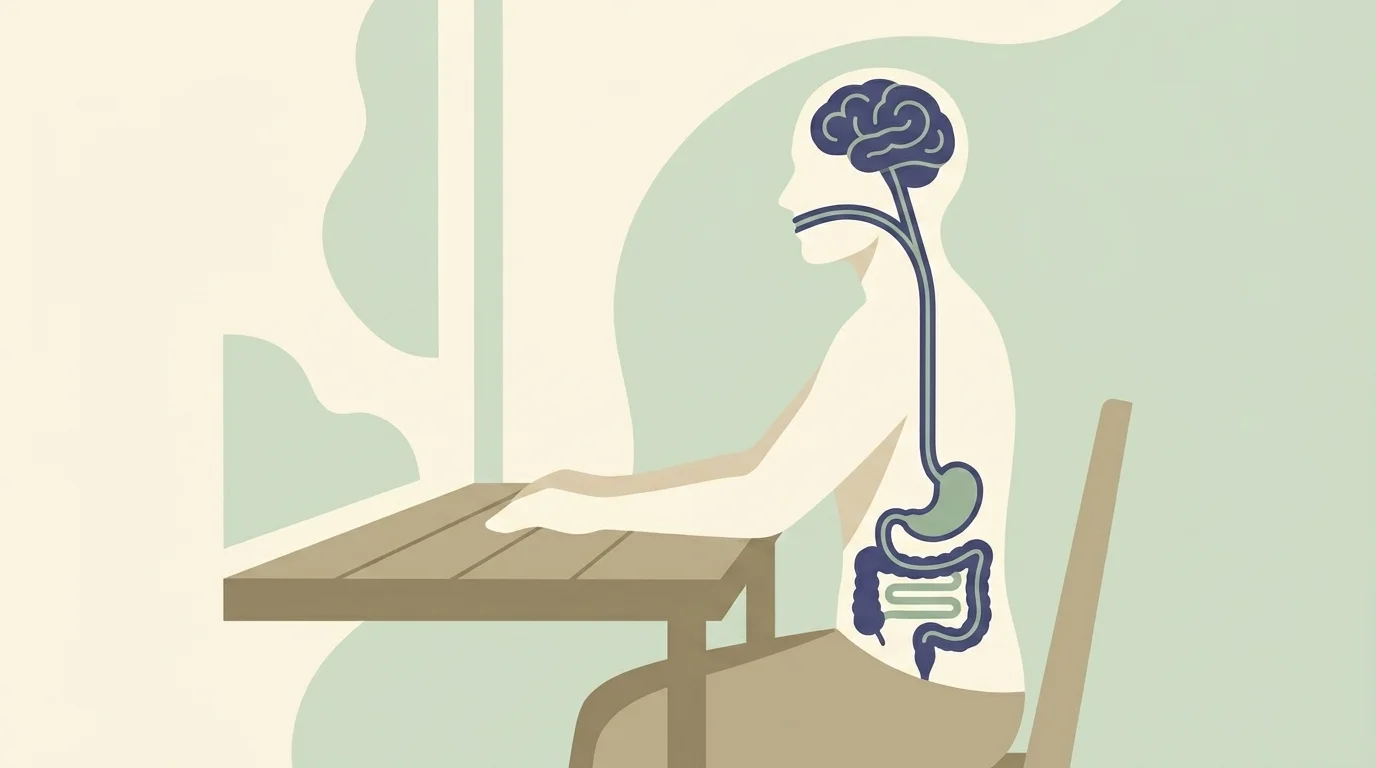
Your brain is an expensive organ. It runs on roughly 20% of your body's energy despite being about 2% of your weight, so the quality of fuel you give it matters. But the more interesting mechanism is below the brain entirely: the gut. An estimated 90% of the body's serotonin — a key mood neurotransmitter — is produced in the gut, where trillions of bacteria help manufacture and regulate the chemical messengers that travel along the gut-brain axis. What you feed those bacteria shapes what they make. That's the plain-language version of "the gut-brain connection," and it's why diet has any business being in a mental-health conversation at all.
Nutritional psychology vs. nutritional psychiatry
These two terms get used interchangeably and shouldn't be. Nutritional psychology is the study of how dietary patterns relate to mood, behavior, and mental well-being — the research field. Nutritional psychiatry is the clinical application: using diet to help prevent or treat diagnosed mental-health conditions, alongside (not instead of) standard care. Knowing the difference matters, because "food affects mood" is well established, while "food can treat my depression" is a clinical claim that belongs in a conversation with a professional.
Related Article: Culinary Wellness: Redefining Nutrition with the Culinary Arts
What the evidence actually shows
Here's where the field grew up. For years this was all observational — people who ate well tended to feel better, which never proves the food caused it. Then came the SMILES trial, the first randomized controlled trial to test diet as a treatment for major depression. Participants who received a Mediterranean-style dietary intervention had significantly higher remission rates than those given social support alone. It's one trial, and not a large one, but it moved the question from "associated with" to "can cause improvement." Subsequent reviews of Mediterranean-diet interventions report clinically meaningful improvements in depression scores, with moderate to large effect sizes.
The flip side is just as well documented. A 2024 BMJ umbrella review found that people with high ultra-processed-food intake had a 48% higher risk of anxiety and a 22% higher risk of depression, and a separate 2024 cohort study found that each 10% increase in the share of ultra-processed food in the diet was linked to about a 10% higher risk of developing depressive symptoms. That kind of dose-response relationship is part of what makes researchers take the link seriously.
Mood-boosting foods worth eating
The honest framing here is "eat more of these as part of a varied diet," not "these are magic." Each comes with a real, if modest, finding:
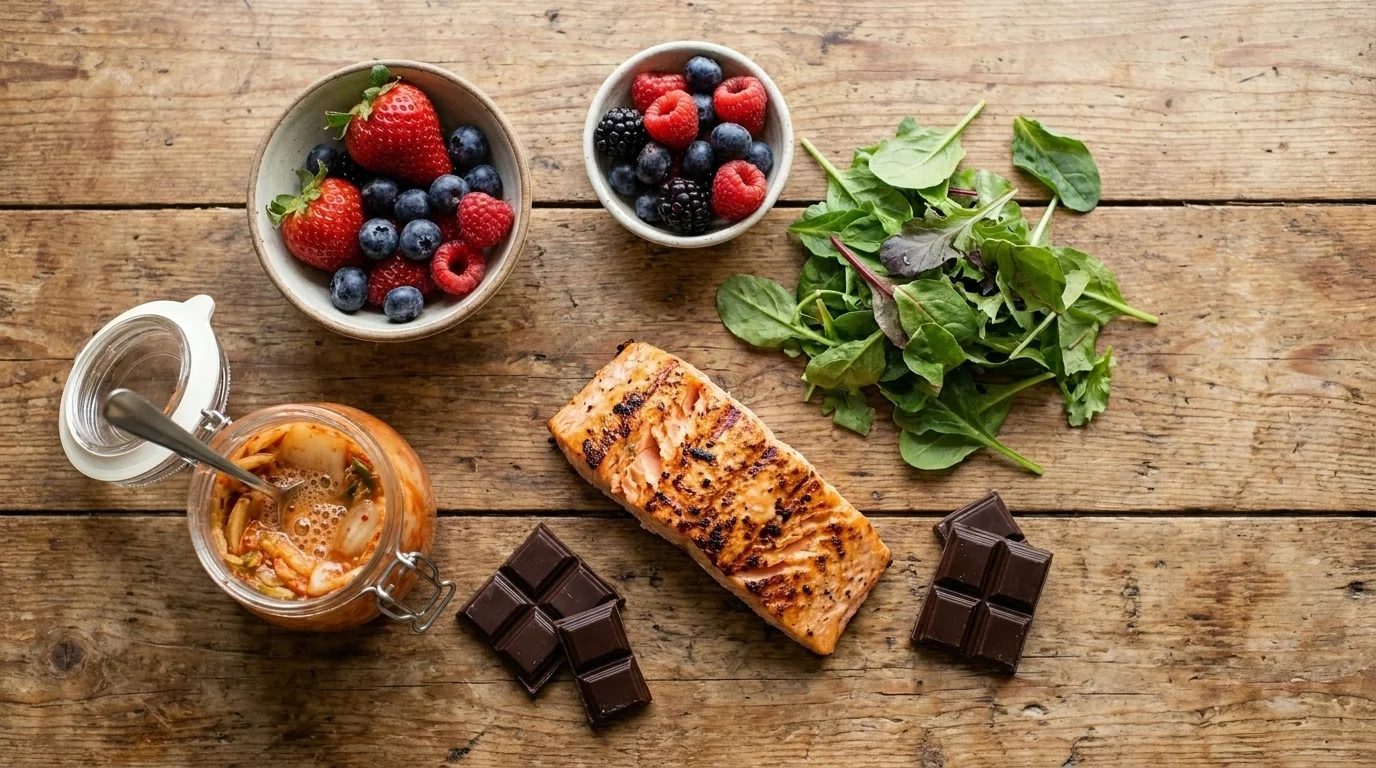
- Fatty fish (salmon, sardines, mackerel). The omega-3 fats support neuronal membranes, and adults eating four or more servings of fish a week had about 26% lower depression risk in a 2024 analysis.
- Leafy greens and colorful vegetables. Folate in greens supports neurotransmitter synthesis, and the antioxidants across brightly colored produce counter oxidative stress in the brain. This is textbook, not hype.
- Fermented foods (yogurt, kefir, kimchi, sauerkraut). These feed the gut bacteria that make mood-related neurotransmitters. In 2025 randomized trials, daily probiotics reduced negative mood, anxiety, and stress in healthy adults, with effects showing up within about two weeks.
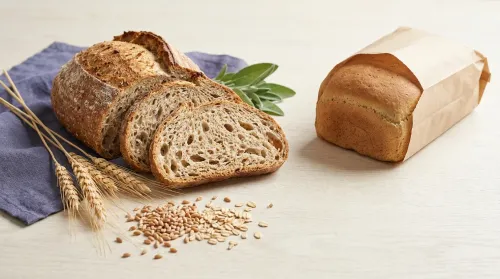
- Whole grains. In a 2025 study, older adults eating whole grains five or more times a week were 14% less likely to report depressive symptoms.
- Dark chocolate. Genuinely studied, and I'll keep the claim narrow: a 2024 trial found daily dark chocolate improved depressive symptoms in middle-aged women over eight weeks. A modest amount, not a bar a day.
Related Article: Understanding the Basics of Nutrition for Beginners
Foods to limit for a steadier mood
This is the half almost every mood-foods article skips, and it may matter more than the "eat this" list. The single biggest target is ultra-processed food — packaged items with ingredients you wouldn't find in a home kitchen — which now make up more than half of the calories Americans eat, and over 60% for children and teens. Given the dose-response data above, cutting back here is the highest-yield change most people can make.
Two related culprits: added sugar and sugar-sweetened drinks, which spike and then crash blood glucose — the real explanation for why "comfort food" lifts your mood for twenty minutes and then drops it; and trans fats, which are pro-inflammatory and have been linked to worse mood outcomes. I'm not calling any of these foods bad or off-limits — I don't moralize eating. I'm saying their share of your week is the lever.
How to actually eat for mood
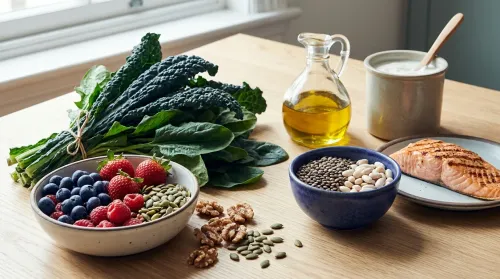
If you want a plan rather than a list, here it is. Build a Mediterranean-style baseline — vegetables, fruit, whole grains, legumes, fish, olive oil, with meat and sweets occasional. Aim for variety over perfection: researchers increasingly point to a target of around 30 different plants a week (counting vegetables, fruits, nuts, seeds, herbs) to support a diverse gut microbiome. As the psychologist Julia Rucklidge put it, "It doesn't matter which real foods you eat—just eat foods, and make sure there's a great variety of them." That's the whole strategy, and it's refreshingly hard to oversell.
When food isn't enough
One thing I want to be unambiguous about, because this is a mental-health topic. Eating well is a genuine, evidence-backed support for mood — but it is one lever, not a treatment, and it does not replace therapy, medication, or a clinician's care. If you're experiencing persistent low mood, anxiety, or loss of interest in things you used to enjoy, please bring that to a doctor or mental-health professional, not just your grocery list — and a registered dietitian can help tailor any of the above to your situation and any conditions you have. If you are ever in crisis, the 988 Suicide and Crisis Lifeline is available 24/7 in the U.S. Food is part of the picture. It was never meant to be the whole frame.
Frequently Asked Questions
Diet shapes mood mainly through the gut-brain axis: about 90% of the body's serotonin is produced in the gut, where bacteria help make mood-related neurotransmitters. Your brain also uses roughly 20% of your energy, so overall diet quality affects how it functions.
Nutritional psychology studies how dietary patterns relate to mood, behavior, and mental well-being. Nutritional psychiatry is the clinical field that uses diet to help prevent or treat diagnosed mental-health conditions, alongside standard care.
Foods with at least some evidence behind them include fatty fish (linked to 26% lower depression risk at 4+ servings/week), leafy greens, colorful produce, fermented foods, whole grains, and modest amounts of dark chocolate — as part of a varied diet, not as magic bullets.
Limit ultra-processed foods, added sugar and sugar-sweetened drinks, and trans fats. High ultra-processed-food intake is linked to a 48% higher anxiety and 22% higher depression risk in a 2024 BMJ umbrella review, with a clear dose-response relationship.
There is growing evidence. Fermented foods like yogurt, kefir, kimchi, and sauerkraut feed gut bacteria that produce mood-related neurotransmitters, and 2025 randomized trials found daily probiotics reduced negative mood, anxiety, and stress within about two weeks.
Diet can help, but it is not a stand-alone treatment. The SMILES trial — the first randomized trial of diet for major depression — found a Mediterranean-style intervention produced significantly higher remission than social support alone. Diet should support, not replace, professional care.
A Mediterranean-style pattern — vegetables, fruit, whole grains, legumes, fish, and olive oil — has the strongest evidence. Researchers also point to variety, aiming for around 30 different plants a week to support a diverse gut microbiome.