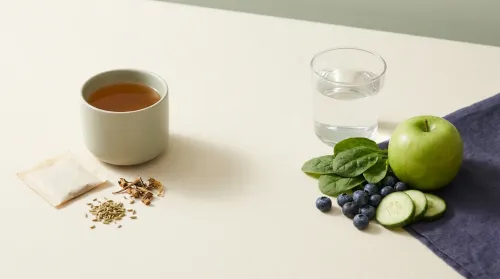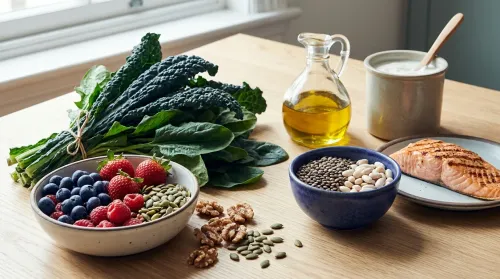
Detox Drinks


If you have typed detox drinks into a search bar, you probably wanted one of three things: to flush out toxins, to beat the bloat, or to lose a few pounds. I am a dietitian, so I have to start with the honest part before I hand you the recipes: no detox drink does the first thing, does the second only briefly, and does the third only sideways. That is not the fun answer, but it is the true one — and I would rather you trust me on the recipes because I leveled with you up front. Here is the deal I am offering: I will tell you exactly what these drinks can and cannot do, and then I will give you a fridge full of ones actually worth making. Plain hydration is the hero of this whole story. The recipes just make it something you will reach for.
Do detox drinks actually work?
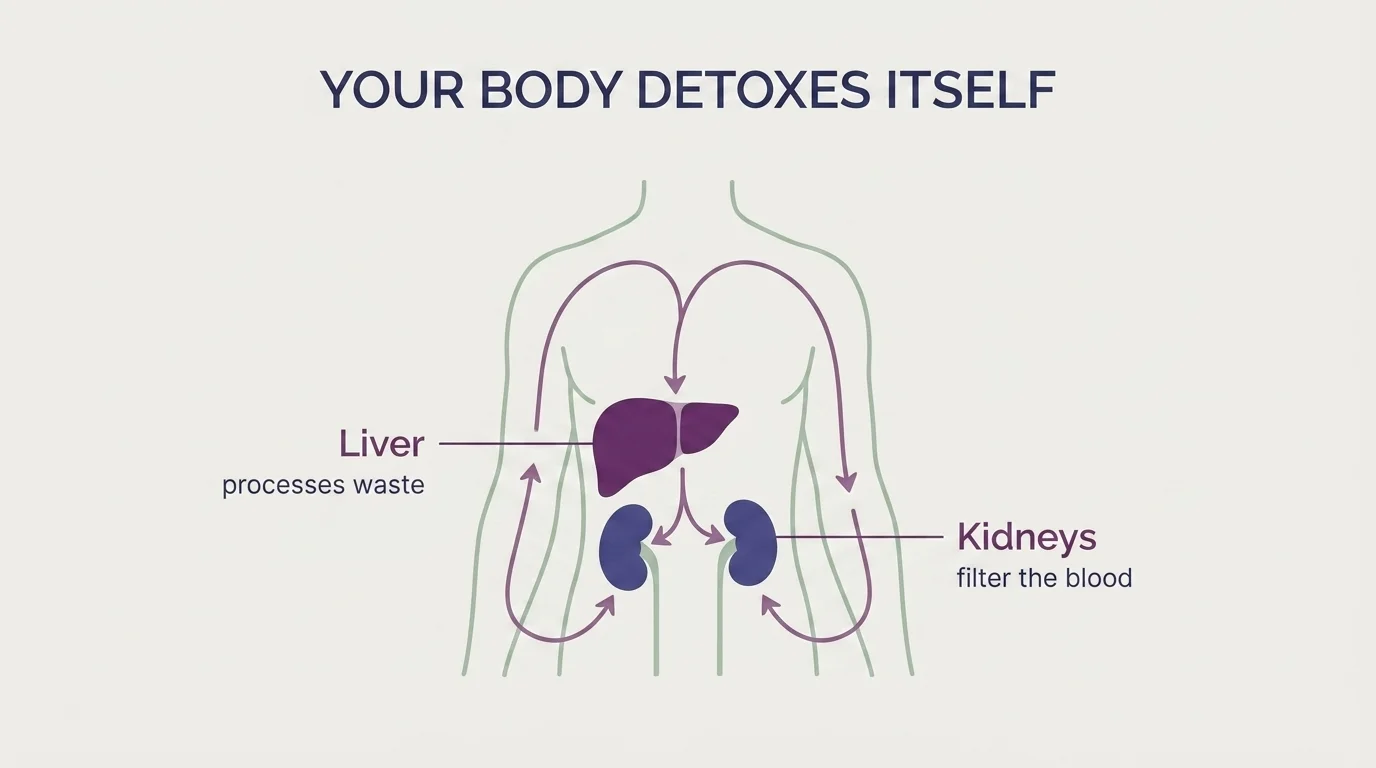
Do detox drinks actually work? Not in the way the label promises. No drink flushes toxins out of you — your liver and kidneys already do that job, quietly and continuously, every hour of every day.
Here is what the actual evidence looks like. A 2015 systematic review, summarized by the National Center for Complementary and Integrative Health, found no compelling research supporting "detox" diets for either weight management or clearing toxins from the body — and the handful of studies that did exist were, in the reviewers' own words, of low quality. That is not one skeptic's take. It is the state of the science.
The 2026 message from clinicians has shifted from plain debunking to something more useful. In an April 2026 PolitiFact review, registered dietitian Wesley McWhorter put it flatly: for healthy adults, there is no strong evidence that detox diets, liver cleanses, or colon cleanses improve health. Family-medicine physician Dr. Michael Richardson, quoted in the same piece, offered the reframe I find most honest — what people feel on a cleanse "isn't a true 'detox.' It's more of a reset," meaning more water, less alcohol, and fewer ultra-processed foods.
So what are these drinks actually good for? Hydration, a few whole-food nutrients, and a genuinely nice swap for soda. I am not going to invent a percentage of toxins removed, because no such number exists — no drink measurably speeds toxin clearance beyond what plain hydration already supports. If you want the fuller, myth-by-myth version, I walk through it in our guide to detox myths. Keep the recipes; drop the marketing.
What detox drinks genuinely do for you
Strip away the toxin talk and these drinks still earn a place in your fridge — just for honest reasons. There are three of them.
First, hydration. Your kidneys filter your blood around the clock, and they do that work more comfortably when you are well-hydrated. A pitcher of cucumber-lemon water is not magic; it is water you will actually drink, which is the entire point. Second, whole-food nutrients: the fruit, herbs, and vegetables you steep or blend bring real wellness and nutrition value — vitamin C, potassium, and plant compounds you might otherwise skip. Third, and this is the one that quietly matters most, a lower-sugar, lower-calorie stand-in for soda and sweetened drinks.
That third benefit is also the honest answer to the weight-loss question, because I know it is why many of you are here. If a detox drink helps you lose weight, it is not burning fat and it is not melting anything. It is doing two ordinary things: replacing calories you would have drunk anyway, and adding a little water and fiber that help you feel full. That is a real effect. It is just not a mysterious one.
Kate Patton, a registered dietitian at Cleveland Clinic, sums up the whole philosophy better than I can: "Your body is built to take care of business... If you fuel it with a balanced diet of whole foods... it'll help you get the results you're looking for without starting a special cleanse or detox." Eat and drink well; skip the cleanse. Here is how to make hydration something you will actually reach for.
Related Article: Culinary Wellness: Redefining Nutrition with the Culinary Arts
Infused water detox drink recipes
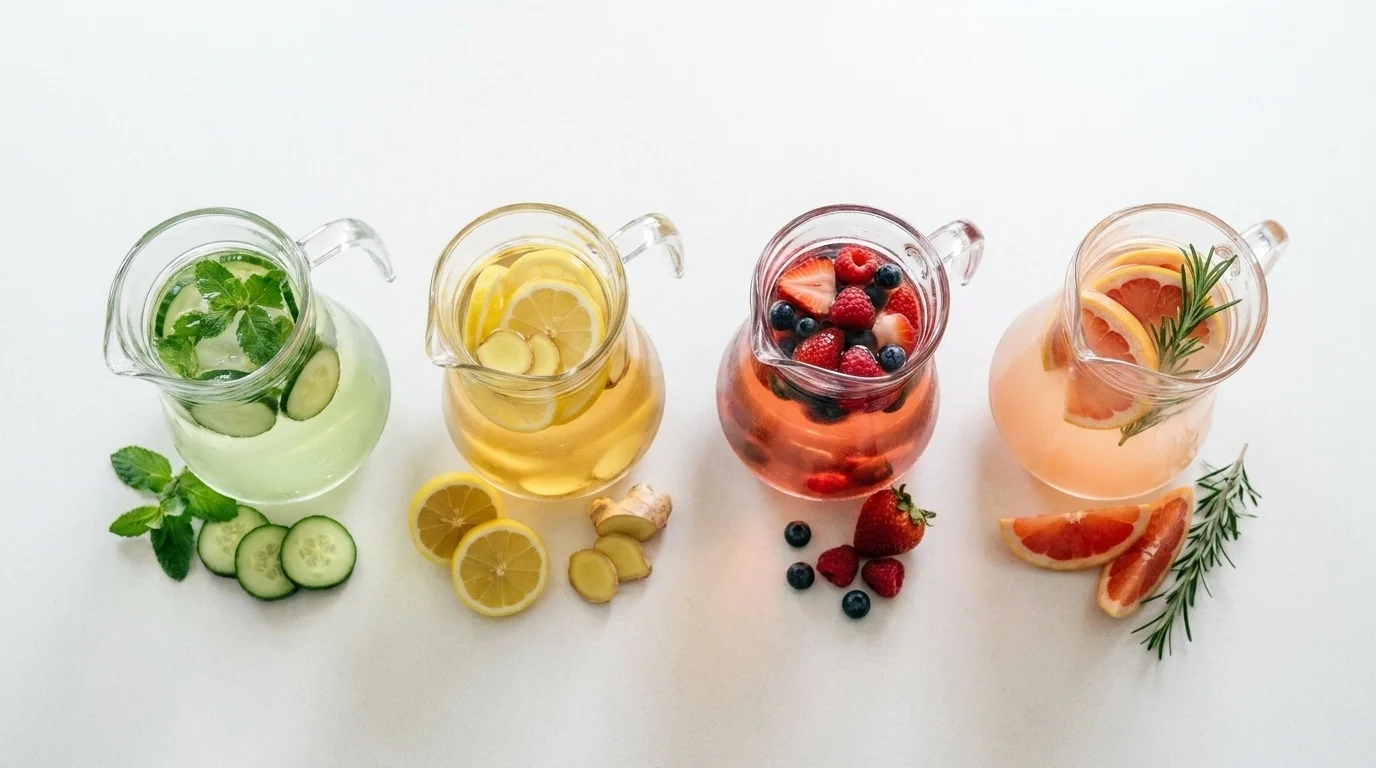
Infused water is this whole category at its most honest: plain water with sliced fruit, herbs, or vegetables steeped in it for thirty minutes to a few hours. No kits, no powders, no "cleanse." Make a pitcher in the morning, keep it cold, and sip it through the day. Refrigerate it and finish it within a day or two, since fresh produce sitting in water does not keep forever. Here are five worth putting on rotation.
Cucumber-Mint Detox Water
Half a sliced cucumber, a handful of fresh mint, and a quart of cold water; let it sit at least thirty minutes. This is the one I hand to people who tell me they "hate water." The cucumber and mint give it a clean, faintly sweet edge that turns hydration into a choice rather than a chore. That is the entire benefit, and it is a good one.
Related Article: Understanding Nutritional Psychology: Decoding the Relationship Between Food and Mood
Lemon-Ginger Detox Water
Half a lemon in slices, a few coins of fresh ginger, and a quart of water. Lemon adds a little vitamin C and a lot of brightness; ginger brings warmth and, for some people, a more settled stomach. It does not stoke your metabolism or burn anything — but it is a genuinely lovely thing to drink, warm or cold.
Berry-Mint Detox Water
A handful of mixed berries — strawberries, raspberries, blueberries — lightly muddled with a few mint leaves. The color alone earns its spot, and the berries lend antioxidants along with the flavor. Frozen berries work perfectly well here and double as ice cubes, which makes this the low-effort option.
Apple Cider Vinegar Detox Drink
One tablespoon of apple cider vinegar in a tall glass of water, with a squeeze of lemon if you like. Two honest caveats from the dietitian. First, the evidence that vinegar does much for weight or blood sugar is thin — small, short studies — so treat this as a tangy soda alternative, not a treatment. Second, because it is acidic, dilute it well, sip it through the day rather than shooting it, and consider a straw to protect your tooth enamel.
Grapefruit-Rosemary Detox Water
Several grapefruit slices and a sprig of rosemary in a quart of water — aromatic, a little bitter, and genuinely refreshing. One caution I will not skip: grapefruit interacts with a long list of medications, including some statins and blood-pressure drugs. If you take a daily prescription, check with your pharmacist before you make grapefruit a habit.
Detox teas that are worth your cup
Herbal and green teas hydrate you and deliver plant compounds worth having — but a "detox tea" does not detox anything, and if the ingredient list includes senna or cascara, you are drinking a laxative, not a cleanse.
Here are the ones I actually recommend, and why:
- Green tea — gentle caffeine and a good dose of antioxidant catechins. A pleasant, mildly stimulating cup, full stop.
- Ginger tea — warming, and genuinely soothing for an unsettled stomach or mild nausea.
- Dandelion tea — often sold as a "natural diuretic." Here is the honest version: making you urinate more is not the same as removing toxins, and you simply replace the fluid you lose. Drink it because you like the earthy flavor, not because it is flushing you out.
- Peppermint tea — a real comfort for bloating and that overfull, post-meal feeling.
One distinction matters more than any recipe here, and it is the one my whole job comes down to: the brewed cup is not the same as the concentrated pill. Brewed green tea is a safe, everyday drink. Concentrated green-tea extract supplements are a different product entirely — and like other "detox" supplements, they carry the drug-induced liver-injury risk that Johns Hopkins hepatologists warn about. If you want what green tea offers, steep it. Do not buy the capsule.
As for the "morning detox drink" ritual — warm lemon water or a cup of ginger tea is a lovely way to start the day. Just enjoy it as a ritual, not a metabolic trigger.
Detox juices and smoothies
Blended smoothies keep the fiber that juicing strips away, which makes them the better choice most days — but neither one "detoxes" you. Both are simply a way to get produce you might otherwise skip.
The fiber point is worth a sentence, because it is the real nutritional difference between the two. When you juice, you pour off the pulp, and with it the fiber that slows sugar absorption and feeds your gut. When you blend, the whole fruit or vegetable comes along for the ride. So if you are choosing between a green juice and a green smoothie, the smoothie usually wins.
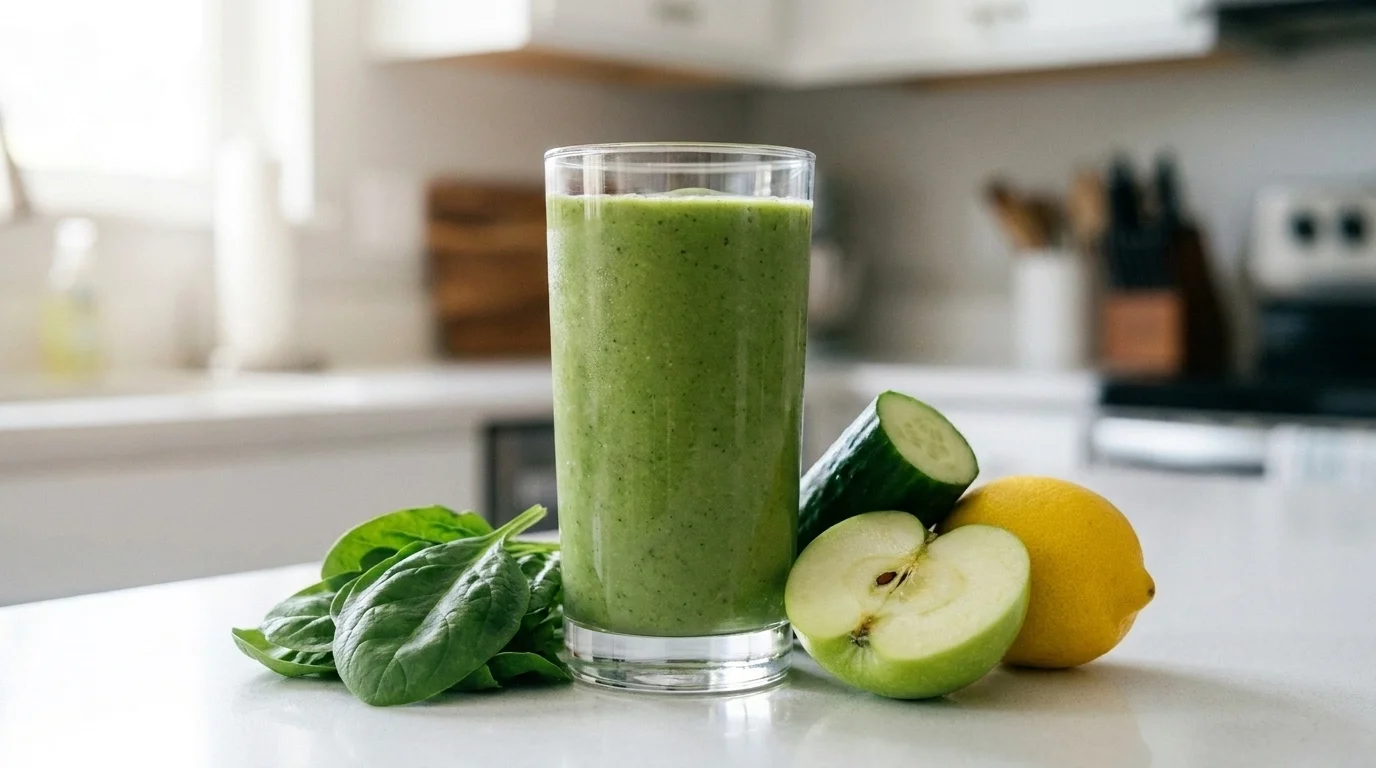
A few I like:
- Green smoothie — a big handful of spinach, half a green apple, cucumber, and a squeeze of lemon, blended with water or unsweetened milk. Mild, hydrating, and genuinely filling.
- Beet-berry smoothie — roasted beet, mixed berries, and plain yogurt. Earthy and bright. One caution: beets are high in oxalate and potassium, so if you have a history of kidney stones or kidney disease, keep the portion modest and check with your clinician.
- Tropical green juice — if you do juice, treat it as an occasional treat rather than a daily habit. Without the fiber, even an all-produce juice hits your bloodstream as a fast dose of sugar.
None of these is a cleanse. They are a nutrient-delivery vehicle and a soda alternative — which, honestly, is plenty to ask of a drink.
Detox drinks for your liver — the honest truth
No drink cleanses or repairs your liver, because your liver cleanses itself — it is, quite literally, your body's detox organ. The "liver cleanse" aisle is where the honest answer stops being polite and starts being urgent.
According to Dr. Tinsay Woreta, a hepatologist at Johns Hopkins Medicine, liver-cleanse supplements "are not regulated by the FDA and have not been adequately tested in clinical trials," and "some dietary supplements can actually cause harm to the liver by leading to drug-induced injury." Read that twice: some of the products marketed to detox your liver are among the things that can injure it.
Here is the concrete, actionable number the recipe pages leave out. If you want to protect your liver, the most useful lever is alcohol, and Dr. Woreta gives a specific limit — men should have no more than three drinks in a day, women no more than two. That is a real target you can act on, unlike any cleanse.
What genuinely supports the organ is unglamorous: adequate hydration, a whole-food diet, and keeping alcohol within those limits. Observational studies have also linked regular coffee — and, more weakly, green tea — with lower rates of liver disease. I want to be careful there: that is cohort data, an association rather than proof, and it is no reason to start pounding espresso. But it does mean your morning coffee is likely doing your liver more good than any bottled cleanse. If the "cleanse" framing still tempts you, the myths piece unpacks why.
Are detox drinks safe? Side effects and FDA warnings
The homemade infused waters in this article are, for almost everyone, perfectly safe. The risk lives in the commercial "detox" and "cleanse" products sold in bottles and boxes.
That is not a hunch. The FDA and FTC have taken enforcement action against detox and cleanse sellers for hiding undisclosed drug ingredients in their products and for making false claims about treating disease, as the National Center for Complementary and Integrative Health documents. When a product is not required to prove it is safe before it reaches the shelf, the word "detox" on the label tells you almost nothing.
The specific things worth watching for:
- Laxative teas with senna or cascara can cause dehydration and electrolyte loss if you lean on them — they empty your bowel, they do not cleanse your body.
- "Diuretic" drinks make you shed water weight you regain within a day.
- Undiluted apple cider vinegar can erode tooth enamel over time.
- "Cleanse" supplements carry the liver-injury risk covered above.
- Detox drinks sold to help you pass a drug test are unreliable, full stop.
The bottom line is the one I give every client: before you start any cleanse — and especially if you are pregnant, taking medication, or managing a health condition — talk to your own healthcare provider first. A pitcher of cucumber water needs no such caution. A bottled cleanse does.
Related Article: Debunking the Detox Myth: Separating Fact from Fiction
The honest bottom line
So, the through-line, one more time: no drink detoxifies you. Your liver and kidneys have that handled. But the right detox drinks make hydration and whole-food nutrition genuinely enjoyable, and that is a win worth having, no cleanse required. Skip the pricey kits; a pitcher of cucumber-lemon water in the fridge does more for you, more safely, than any powder promising to flush you clean. Pick one infused-water recipe above, keep it cold this week, and notice how much easier drinking water gets. And when a commercial cleanse catches your eye, ask your healthcare provider before you reach for your wallet.
Frequently Asked Questions
Plain water is the single most effective choice — it supports the kidneys' natural filtering. Infused waters (cucumber, lemon, ginger) simply make hydration more appealing; they do not add any toxin-flushing power of their own.
Add sliced fruit, cucumber, herbs like mint or ginger, or a squeeze of lemon to a pitcher of water and chill it 30 minutes to a few hours. No special ingredients or 'cleanse' kits are needed.
There is no drink that speeds toxin removal beyond staying well-hydrated. Support your body instead with water, fiber, limited alcohol, sleep, and regular movement (PolitiFact, 2026).
There is nothing to 'clean out' — your liver and kidneys do that continuously on their own. Water, alongside a diet of whole foods, is what genuinely supports them.
Only indirectly. Swapping soda for infused water cuts calories, and the water helps you feel full — but the drink itself does not burn fat or melt anything.