Breaking the Stigma: Cultural Influences on Seeking Alternative Therapies for Holistic Healing


Holistic healing is no longer fringe. Roughly 36.7 percent of US adults used at least one complementary or integrative health approach in 2022, up from 19.2 percent in 2002 — about 122.3 million Americans, per the NCCIH's analysis of the National Health Interview Survey. Culturally rooted healing practices have stopped being a fringe conversation. In May 2025 the World Health Assembly adopted the WHO Traditional Medicine Strategy 2025–2034, and in December 2025 the Second WHO Global Summit on Traditional Medicine in New Delhi produced the Delhi Declaration, signed by 26 Member States, and launched a Traditional Medicine Global Library consolidating 1.6 million resources from peer-reviewed studies to documented Indigenous knowledge.
This piece is a careful tour of seven culturally rooted healing systems — what they are, where they come from, what they treat, what credentialing looks like, and where the safety questions live. It is written in the spirit of the medical anthropology that takes both the practice and the practitioner seriously without flattening either into wellness aesthetic. Cultural healing practices are complements to evidence-based medical care, not substitutes for it. If you have a diagnosed condition, bring this conversation into the room with your clinician.
A brief historical timeline
The traditions surveyed in this piece have very different ages and trajectories. A short timeline helps:
- Shamanic practice — paleolithic; archaeological evidence of shamanic-coded ritual extends back roughly 30,000 years across multiple regions.
- Ayurveda — approximately 5,000 years old, originating in the Indian subcontinent; the foundational texts are the Charaka Samhita and Sushruta Samhita.
- Traditional Chinese Medicine — organized practice traces to approximately 2,500 years ago; the canonical reference is the Huangdi Neijing (Yellow Emperor's Inner Classic, ~2nd century BCE).
- Unani medicine — 10th century CE Islamic Golden Age, synthesizing Greek, Persian, and Arab medical traditions.
- Curanderismo — 16th century, a Mexican-American synthesis of Indigenous Mesoamerican (Aztec, Maya), Spanish-Catholic, and African elements following Spanish colonization.
Each tradition has a specific lineage, specific texts or transmission methods, and specific disagreements within it. Treating them as interchangeable "Eastern wisdom" or "ancient traditions" is the first move that empties the conversation. They are not interchangeable, and most of them are not ancient in the sense the wellness marketplace uses the word.
Ayurveda
Ayurveda is a complete medical system originating in the Indian subcontinent. It organizes physiology around three constitutional types (doshas — Vata, Pitta, Kapha) and treats imbalance through dietary modification, herbal preparations, bodywork (abhyanga), breathwork (pranayama), and a cleansing protocol called panchakarma. It is the most-searched specific cultural healing system globally and one of the few that has a coherent practitioner-credentialing infrastructure in the US: the National Ayurvedic Medical Association (NAMA) maintains professional standards and recognizes graduates of accredited schools.
Where Ayurveda has good clinical evidence: turmeric (curcumin) for inflammation in some preparations; specific herbal formulations for digestive complaints; meditation and pranayama for stress-physiology outcomes. Where it does not: most claims about reversing chronic disease through panchakarma alone. The honest reading is that the dietary, breathwork, and bodywork elements have the strongest evidence; the proprietary multi-herb formulations have the most variable.
A serious safety note. The FDA and CDC have repeatedly documented lead, mercury, and arsenic contamination in imported Ayurvedic preparations, particularly rasa shastra formulations that intentionally contain processed metals. If you use Ayurvedic products, source from US-based, NAMA-affiliated, third-party-tested manufacturers, and disclose every formulation to your physician — especially before surgery, during pregnancy, or while on prescription medication.
Related Article: Pacific Island Paradigm: Infusing Indigenous Wisdom into Holistic Healing Practices
Traditional Chinese Medicine
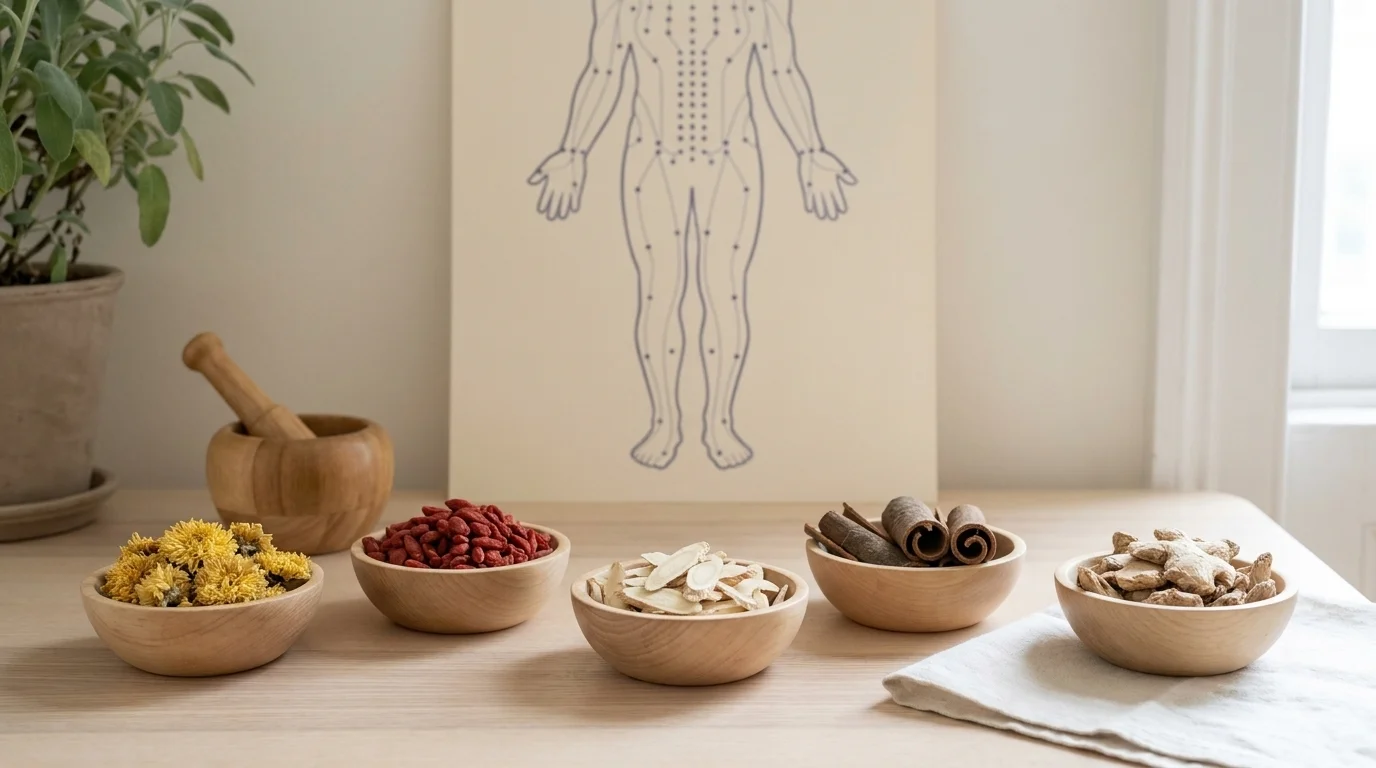
Traditional Chinese Medicine treats the body as a system of qi (vital energy) flowing through meridians (channels), with imbalance addressed through acupuncture, herbal formulas, tui na massage, dietary therapy, qi gong (movement), and moxibustion. Like Ayurveda, it has a documented professional credentialing infrastructure in the United States: the National Certification Commission for Acupuncture and Oriental Medicine (NCCAOM) certifies practitioners, and most states require a license to practice (typically "LAc" — Licensed Acupuncturist).
Acupuncture is the TCM modality with the largest evidence base. Use of acupuncture among US adults more than doubled between 2002 and 2022, from 1.0 to 2.2 percent, per NCCIH. Medicare has covered acupuncture for chronic low back pain since 2020. The trials are strong enough on chronic pain (low back, neck, knee osteoarthritis, tension headache, postoperative nausea) that major US health systems have integrated it. The evidence for TCM herbal formulas in non-pain conditions is more mixed and harder to evaluate, partly because traditional herbal formulas are designed for individualized constitutional diagnosis that randomized trials struggle to operationalize.
A specific note: TCM herbal formulas — like all herbal medicine — can interact with prescription drugs. Disclose what you take to your physician and pharmacist before procedures and when starting new prescriptions.
Native American and Indigenous healing traditions
Indigenous healing in North America is not a single tradition. It is hundreds, with specific languages, lineages, ceremonies, plants, and protocols varying by nation, region, and family. The 2010 review by Koithan in PMC describes core common elements across many Native American traditions: a worldview that integrates body, mind, spirit, and relationship to land and community ("walking in beauty," in the Diné/Navajo tradition); the centrality of ceremony and protocol; the role of plant medicine (sage, sweetgrass, tobacco, cedar — used in specific contexts, not as commodities); and the authority of community-recognized practitioners (medicine people, elders, ceremony leaders).
The practitioner-credentialing question here looks different than for Ayurveda or TCM. There is no professional licensing body, because the authority is community-conferred. A practitioner's standing is recognized within their nation or community. Outside-of-community workshops claiming to teach "Native American healing" in a weekend should be treated with significant skepticism. This is one of the clearest places to apply the appropriation framework below.
For institutionally grounded resources: the First Nations Health Authority of British Columbia is one of the most accessible Indigenous-led sources on cultural healing in a contemporary health-system context.
Related Article: Embracing Cultural Diversity in Health and Wellness: Insights and Practices from Around the World
Curanderismo
Curanderismo is a Mexican-American folk healing tradition that synthesized Indigenous Mesoamerican (Aztec, Maya), Spanish-Catholic, and African elements following the 16th-century colonization of Mexico. A curandero (or curandera) treats both physical and spiritual ailments using yerbas (medicinal herbs), limpias (ritual cleansings), prayer, and sometimes plática (counseling). Practitioners often specialize: yerberos are herbalists, sobadores are bodyworkers, parteras are midwives, espiritualistas work with spiritual conditions like susto (soul shock following trauma) and mal de ojo (the evil eye).
Curanderismo's credentialing system is apprenticeship-based and lineage-recognized rather than certificate-based. A practitioner's standing comes from the teacher they trained with and the community that recognizes their work. Curanderismo is one of the few traditions in this article whose underlying conditions — susto in particular — overlap meaningfully with biomedical categories of trauma, anxiety, and adjustment disorders, and where collaboration between curanderos and clinical practitioners has been productively documented in the Southwest US public-health literature.
If you are interested in curanderismo as a heritage practice or are seeking a curandero for a specific concern, ask within Mexican-American communities rather than searching online directories. Like Indigenous traditions, this is a system whose authority lives in community, not in a website.
African herbalism
"African herbalism" is, like Indigenous healing, an umbrella over many distinct systems. The Yoruba tradition of West Africa (the world's most-traveled African medical system, present today across the Caribbean and Americas via the African diaspora), Zulu and Sangoma traditions in southern Africa, and Akan herbal medicine in Ghana each have their own materia medica, diagnostic practices, and credentialing pathways. The pharmacological depth is substantial: many compounds in mainstream Western pharmaceuticals (artemisinin for malaria from Artemisia annua, though this is the Chinese rather than African source; numerous African botanical compounds in cardiovascular research) trace through these traditions.
In the US, African herbalism is most often encountered through Caribbean diaspora practitioners (Santería, Vodou, and related traditions involving herbal practice) and through the slow growth of US-based herbalists trained in named African lineages. Vetting works similarly to curanderismo: ask within communities, and look for explicit lineage attribution. As with all herbal medicine, disclose preparations to your clinician before surgery or with prescription medication.
Related Article: Physical Fitness Traditions from Around the World
Shamanic healing
Shamanism is the oldest tradition in this article and the most contested in the contemporary wellness market. In its original anthropological sense, a shaman is a community-recognized practitioner who works with non-ordinary states of consciousness — through drumming, rhythm, chant, sometimes plant medicines — to address conditions that the community defines as spiritual or psychological. Documented shamanic traditions exist in Siberian, Mongolian, Korean, Tungusic, Amazonian, Mesoamerican, and Sami contexts. The traditions are not interchangeable, and the practitioners trained within them carry specific lineages and protocols.
Contemporary "shamanic healing" in the US wellness market often refers to neo-shamanic practice — practitioners trained through workshops offered by Western institutes (the Foundation for Shamanic Studies, originally developed by anthropologist Michael Harner, is the largest), rather than apprenticed within a specific cultural lineage. This is not the same thing as the traditional practices the workshops draw from, and the distinction is worth carrying into any decision to engage with a practitioner.
A clinical note from my own work: shamanic and adjacent practices that involve altered states of consciousness — including ayahuasca ceremonies, which are increasingly sought by people with trauma histories — are not appropriate as a first-line intervention for active mental health crises, untreated psychotic-spectrum conditions, or anyone in acute suicidal ideation. If you are weighing this kind of practice, talk with a mental-health clinician first and bring honest answers to whatever screening they offer.
Reiki and energy healing
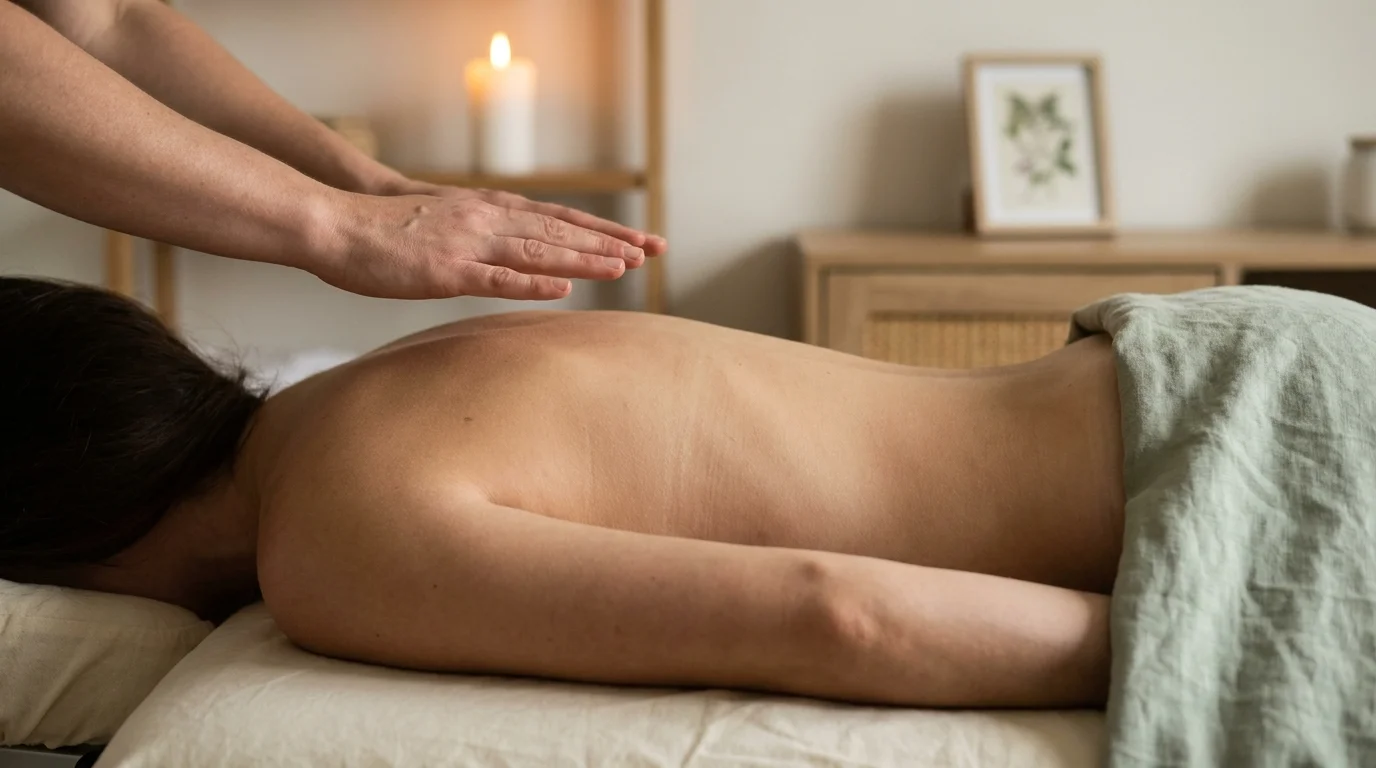
Reiki is a Japanese practice developed in the early 20th century by Mikao Usui that involves a practitioner placing hands lightly on or above a recipient's body to facilitate what practitioners describe as the flow of healing energy. It is the highest-volume cultural healing search term globally (90,500 monthly US searches) and is taught and practiced widely. It is also one of the clearer examples of a culturally rooted practice that has been almost entirely severed from its original transmission lineage by Western workshop-based credentialing.
The traditional Usui lineage attestation is preserved by the International Center for Reiki Training (ICRT) and by Japanese Usui-system organizations. Most practicing reiki practitioners in the US trained through workshops that may or may not maintain lineage continuity. The honest practitioner will tell you who their teacher was, who their teacher's teacher was, and what their training comprised. The vague practitioner will not.
The evidence base for reiki as treatment for specific clinical conditions is genuinely thin. The evidence base for the experience reiki produces — relaxation, reduction in subjective distress, the comfort of structured human attention — is more straightforward. If reiki is meaningful to you as a self-care practice, the framing that fits the evidence is "this is a structured way to slow down and receive care," not "this is a treatment for diagnosed condition X."
Integration: "Two-Eyed Seeing"
The framework I would suggest for thinking about how traditional and conventional medicine relate is Etuaptmumk, or "Two-Eyed Seeing," articulated by Mi'kmaw Elder Albert Marshall — seeing with one eye the strengths of Indigenous knowledge and with the other eye the strengths of Western knowledge, and using both eyes together. The frame is named, attributed, and has been adopted across integrative-medicine literature (including PMC8744804, 2022) precisely because it avoids the two common failure modes — flattening traditional medicine into "evidence-free" and dismissing it, or romanticizing it as superior to biomedicine and rejecting both regulation and conventional care.
Practically, Two-Eyed Seeing means: a cancer diagnosis warrants oncology and may also warrant the cultural and spiritual care a Native American community provides for someone facing serious illness. Chronic pain warrants pain medicine and may benefit from acupuncture or yoga. A grief episode warrants therapy and may benefit from the rituals a specific community has developed over centuries for grief. The "and" is the whole frame.
Cultural appreciation vs cultural appropriation
This is the conversation the wellness market most often avoids and most needs. A four-question framework I find clarifying:
- Do you name the originating culture every time you teach the practice? Reiki is Japanese. Ayurveda is Indian. Curanderismo is Mexican-American. Shamanic drum journey work has a specific cultural origin depending on the lineage you are drawing from. Naming is the first move.
- Have you read the history? A practice that arrives in your training as a stand-alone technique was, in its original context, embedded in cosmology, language, community structure, and historical events (including colonization). Reading the history is the second move.
- Are you paying community teachers? Practices have community keepers. Workshop fees that flow back to the originating community look different from workshop fees that flow only to a non-community-affiliated trainer. Pay where the practice came from.
- Are you teaching or selling something that is sacred and not yours to teach? Some practices are ceremonies that belong to specific communities and are not transmissible through a weekend workshop. The work of cultural appreciation includes knowing the line.
The hardest question, asked of yourself rather than of others: when a practice from a marginalized culture becomes valuable enough to commercialize, who benefits, and who is left out of the version that gets sold? This is not a comfortable question. It is the right one.
Related Article: Global Nutrition Habits and Philosophies: A Cross-Cultural Analysis
How to find a credentialed practitioner
Per tradition, the relevant credentialing or recognition pathway:
| Tradition | Credentialing body or recognition path |
|---|---|
| Ayurveda | NAMA (National Ayurvedic Medical Association); graduates of NAMA-recognized schools |
| Acupuncture / TCM | NCCAOM diplomate certification; state LAc license (Licensed Acupuncturist) |
| Reiki | Usui lineage attestation; ICRT registration |
| Bodywork / massage with cultural-tradition focus | NCBTMB certification plus specialty training documentation |
| Native American & Indigenous healing | Community recognition within the relevant nation; no external certification |
| Curanderismo | Apprenticeship lineage and community recognition |
| Shamanic practice (traditional) | Community recognition within originating culture |
| Shamanic practice (neo-shamanic) | Foundation for Shamanic Studies certificate or similar; ask explicitly about lineage |
Questions worth asking any practitioner: Who is your teacher and how long did you train? Do you maintain ongoing connection with your training lineage? What conditions do you not work with and where would you refer? Have you worked with someone with a diagnosis like mine, and how did that go?
Safety: herbs, supplements, and prescription medications
This is the section every cultural-healing guide owes its readers and most do not deliver.
Tell your physician and pharmacist about every supplement, herb, and tea you take. This is not paranoia; it is good clinical practice. Herbal-pharmaceutical interactions are common, often serious, and frequently overlooked.
The single highest-leverage example is St. John's Wort, a popular herb for low mood. As of January 2025, the FDA requires drug-interaction alert labeling on all US St. John's Wort products because it interacts with more than 500 medications — including warfarin (case series of INR collapse), SSRIs (serotonin syndrome risk), oral contraceptives (reduced efficacy), and many antiretrovirals, immunosuppressants, and chemotherapeutics. The warning matters.
Other examples worth knowing:
- Ginkgo biloba with anticoagulants — increased bleeding risk.
- Ginseng with warfarin and some diabetes medications — variable interactions.
- Garlic supplements (high-dose) with anticoagulants — bleeding risk.
- Kava — documented hepatotoxicity, particularly with chronic use.
- Imported Ayurvedic preparations — heavy-metal contamination history per FDA/CDC; use only third-party-tested US-based sources.
The rule that covers all of this: any tea, capsule, tincture, or compound that has biological effect strong enough to be useful has biological effect strong enough to cause harm in the wrong context. Treat herbal medicine with the seriousness you would treat a pharmaceutical, and bring the same disclosure habits to it.
Related Article: Supercharge Your Productivity with Healthy Habits
A clinical note before we close
Many of the practices in this piece have real value as complements to biomedical care, as expressions of cultural identity, as structured forms of community attention, and in some cases (acupuncture for chronic pain, certain Ayurvedic dietary patterns, mindfulness-based practices across multiple traditions) as evidence-supported clinical interventions in their own right. None of them are substitutes for diagnostic workup of a worrying symptom or for treatment of a diagnosed mental-health or medical condition.
If you are weighing a culturally rooted healing practice for a clinical condition, the conversation belongs in the same room as your clinician. If you are in mental-health crisis, please contact the 988 Suicide and Crisis Lifeline or your local equivalent. Therapy is not the opposite of cultural healing — it is one of its forms in many traditions and a serious resource in its own right.
The WHO Traditional Medicine Global Library is the most authoritative neutral repository on these traditions today. NCCIH's statistics on complementary and integrative health approaches is the cleanest source for US usage data. Both are worth bookmarking if you plan to keep learning, and both will let you do that without the noise of the wellness marketplace.
Frequently Asked Questions
Holistic healing is a wellness approach that treats the whole person — body, mind, emotions, and spiritual or relational context — rather than isolated symptoms. It draws on culturally rooted traditions including Ayurveda, Traditional Chinese Medicine, Native American and Indigenous healing, curanderismo, and others. According to NCCIH analysis of NHIS data, roughly 36.7% of US adults (about 122.3 million people) used at least one complementary health approach in 2022, up from 19.2% in 2002.
Traditional medicine refers to culturally rooted healing systems with specific lineages and communities (Ayurveda, TCM, Native American medicine, curanderismo, etc.). Alternative medicine refers to practices used instead of conventional biomedical care. Integrative medicine refers to evidence-informed combinations of conventional and complementary practices delivered in coordinated clinical settings. The WHO's 2025-2034 Strategy calls the broader category TCIM — Traditional, Complementary, and Integrative Medicine.
Ayurveda practiced by NAMA-credentialed practitioners using third-party-tested US-sourced preparations is generally safe for wellness applications. The FDA and CDC have repeatedly documented heavy-metal contamination (lead, mercury, arsenic) in imported Ayurvedic products, particularly rasa shastra formulations that intentionally contain processed metals. Always disclose Ayurvedic supplements and herbs to your physician and pharmacist, especially before surgery, during pregnancy, or while on prescription medication.
Curanderismo is a Mexican-American folk healing tradition that synthesizes Indigenous Mesoamerican, Spanish-Catholic, and African elements following 16th-century Spanish colonization. A curandero or curandera treats both physical and spiritual ailments using yerbas (medicinal herbs), limpias (ritual cleansings), prayer, and sometimes plática (counseling). Practitioners often specialize as yerberos (herbalists), sobadores (bodyworkers), parteras (midwives), or espiritualistas. Credentialing is apprenticeship- and community-based rather than certificate-based.
Per tradition: NAMA certification for Ayurveda; NCCAOM diplomate status or state LAc license for acupuncture and TCM; Usui-lineage attestation and ICRT registration for Reiki; NCBTMB certification for bodywork. For Native American, Indigenous, and curanderismo traditions, community endorsement and recognized lineage matter more than external paper credentials — ask within the relevant community. A good practitioner will tell you who their teacher was, who their teacher's teacher was, and which conditions they will not work with.
Not without telling your prescribing physician and pharmacist first. The FDA mandated drug-interaction warning labels on St. John's Wort effective January 2025 because it interacts with more than 500 medications, including warfarin (with documented INR-collapse case series), SSRIs (serotonin syndrome risk), and oral contraceptives (reduced efficacy). Ginkgo and high-dose garlic increase bleeding risk with anticoagulants. Kava has documented hepatotoxicity with chronic use. The rule that covers all of these: anything biologically active enough to be useful is biologically active enough to harm in the wrong context.
Cultural appropriation in wellness occurs when practices from a marginalized culture are commercialized without attribution, without compensation to community teachers, or in ways that strip out original meaning. A working four-question framework: do you name the originating culture every time you teach the practice, have you read the history, are you paying community teachers, and are you teaching or selling something that is sacred and not yours to teach. The harder question to ask yourself: when a practice becomes valuable enough to commercialize, who benefits and who is left out of the version that gets sold?
In May 2025, the World Health Assembly adopted the WHO Traditional Medicine Strategy 2025-2034, with four objectives: strengthen the evidence base, support safe traditional/complementary/integrative medicine via regulation, integrate it into health systems, and empower communities. In December 2025, the Second WHO Global Summit on Traditional Medicine in New Delhi produced the Delhi Declaration signed by 26 Member States and launched a Traditional Medicine Global Library consolidating 1.6 million resources from peer-reviewed studies to documented Indigenous knowledge.
Education works best when it names specific traditions rather than treating them as a single 'alternative' category, dates them honestly (Ayurveda ~5,000 years, TCM ~2,500 years, curanderismo ~500 years, Reiki ~100 years), surfaces both the strong-evidence elements (acupuncture for chronic pain, Mediterranean dietary patterns, mindfulness-based stress reduction) and the limits (claims that exceed current evidence, safety issues like herbal-drug interactions), and points readers to authoritative neutral resources like NCCIH and the WHO Traditional Medicine Global Library.
Check Out These Related Articles

Aesthetic Harmony: Integrating Design Principles with Holistic Wellness Concepts
Navigating Holistic Wellness: Embracing a Well-Balanced Lifestyle for Beginners
Japanese Zen Embodied: The Art of Integrating Mindfulness into Everyday Life